
Govern or be governed
OCTOBER 22-23rd 2025
The internet was initially sold to us as a force for connection – a borderless, democratizing set of technologies that would amplify voices, allow us to spread ideas, and strengthen civil society.
And, for a time, it did just that.
But, as platforms grew more powerful and we failed to constrain them, the tools we built to bring us together began to pull us apart. Social media companies designed systems to maximize attention – not safety. Disinformation campaigns outpaced journalism. Algorithms rewarded outrage over truth. What was once a new frontier of opportunity became a playground for exploitation, manipulation, and harm.
For the past decade, democracies have tried to respond. Policymakers, researchers, and civil society organizations around the world have fought to understand the problem, to build safeguards, and to regulate tech giants. Across the EU, UK, Australia, and Canada, policymakers began to construct digital governance architectures to balance innovation with accountability. But, just as they were getting close, the ground shifted beneath us. And now, global digital regulation – and a decade of progress we should be proud of – is under threat.
Two seismic shifts have changed the game. The first is the explosive rise of generative AI, which is reshaping not just what needs to be governed, but how we govern. The second? A newly radicalised United States that, in this post-election landscape, is no longer just a reluctant partner, but has become an active obstacle to regulation. An emboldened alliance between U.S. government actors and tech companies is now working to dismantle hard-own policy advances abroad, resisting any effort that doesn’t serve or prioritize the interests of its domestic tech sector.
For democracies around the world, the implications are stark: if we don’t act now, our information ecosystems – and the democratic values they support – could be lost to an unregulated tech oligopoly, and an American government that supports it. This is no longer just about platforms, it’s about sovereignty. It’s about whether democracies can still govern in the digital age – or whether they’ll be governed by it.
This October, we invite you to tackle these issues at Attention: Govern or Be Governed – a high-level international gathering of lawmakers, academics, civil society leaders, journalists, creatives, and technologists, who believe the world’s leading democracies can, and must, chart a new path forward.
EVENT SPEAKERS
-
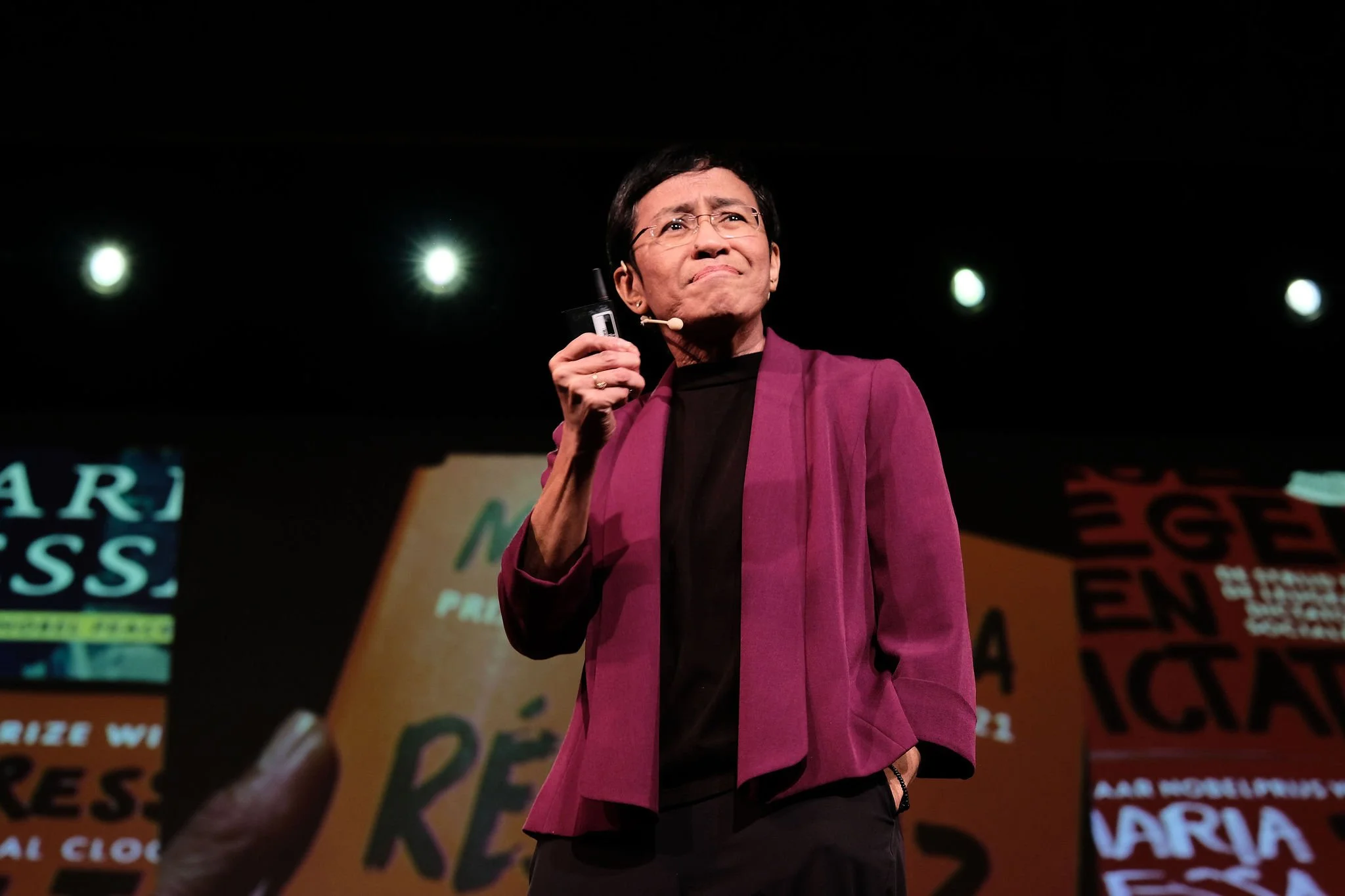
Maria Ressa
Nobel Laureate

-
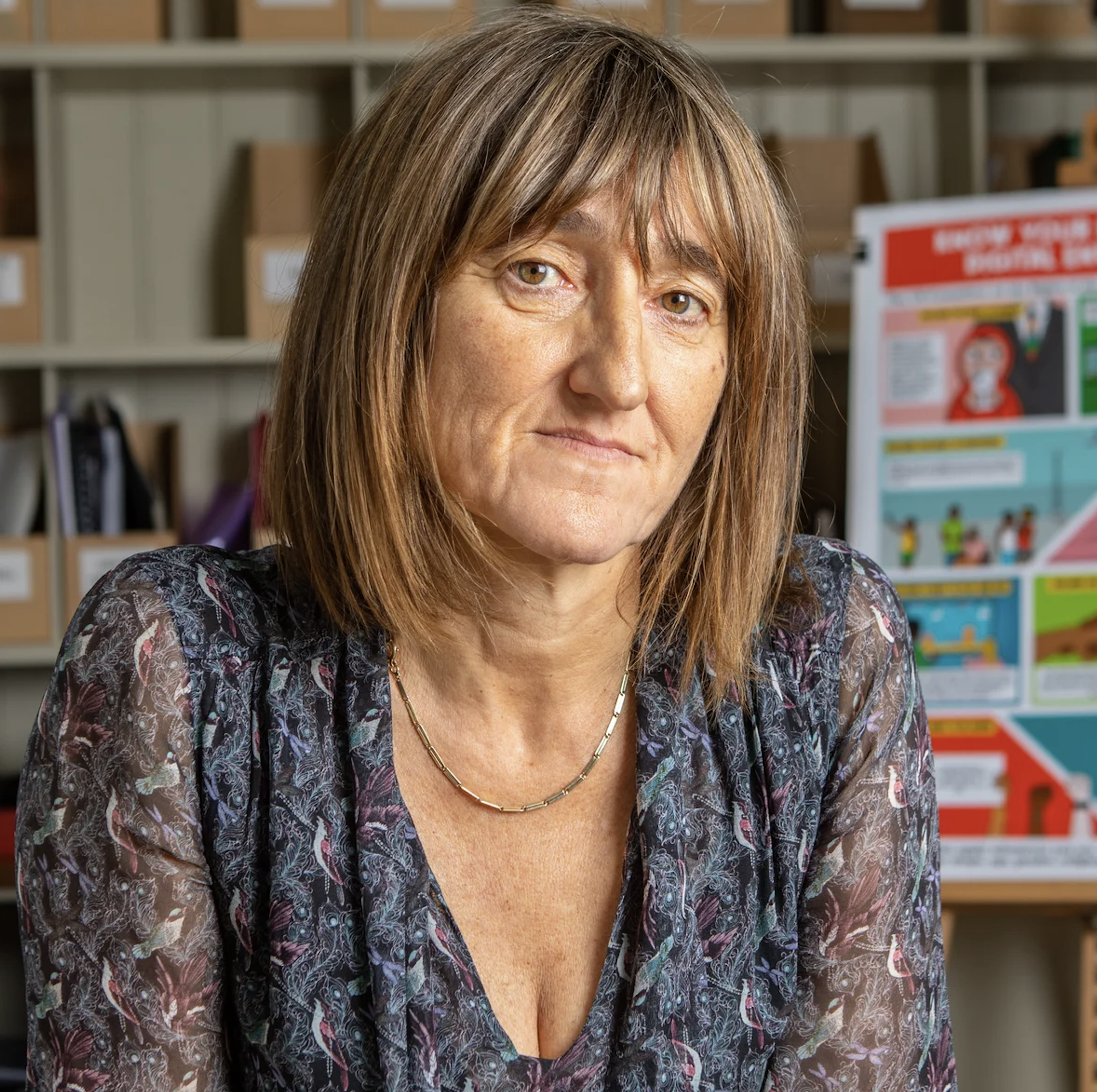
Beeban Kidron
British Politician and Filmmaker
-
Yoshua Bengio
Director, MILA

-
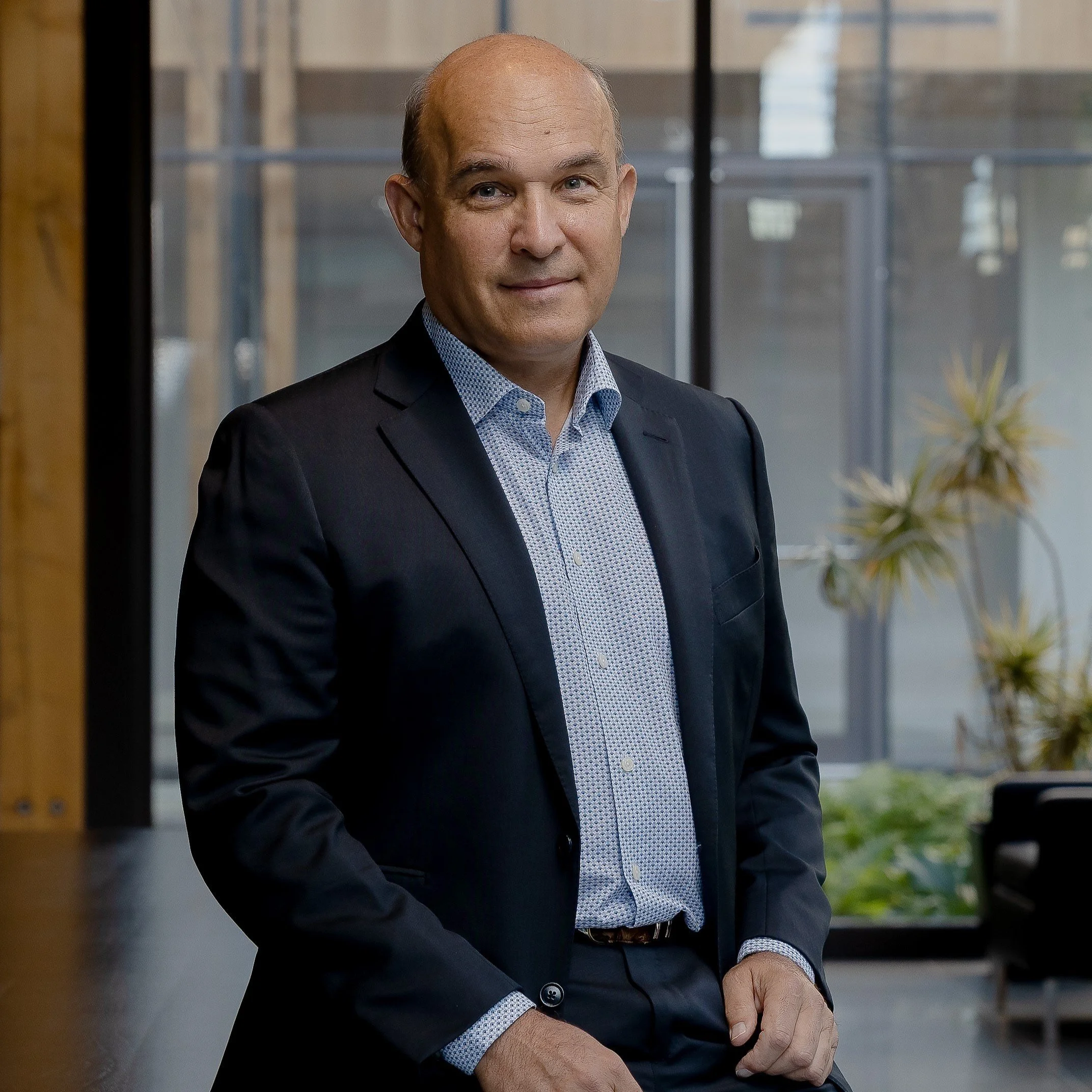
Jim Balsillie
Philanthropist and Former Founder and CEO, Research In Motion
-
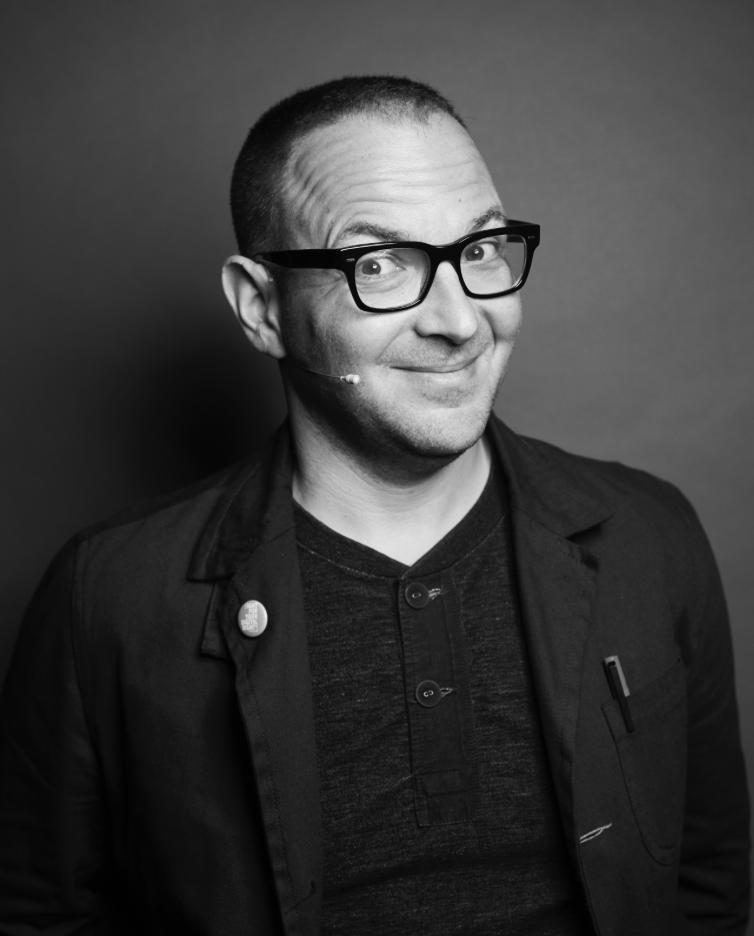
Cory Doctrow
Journalist and Author
-
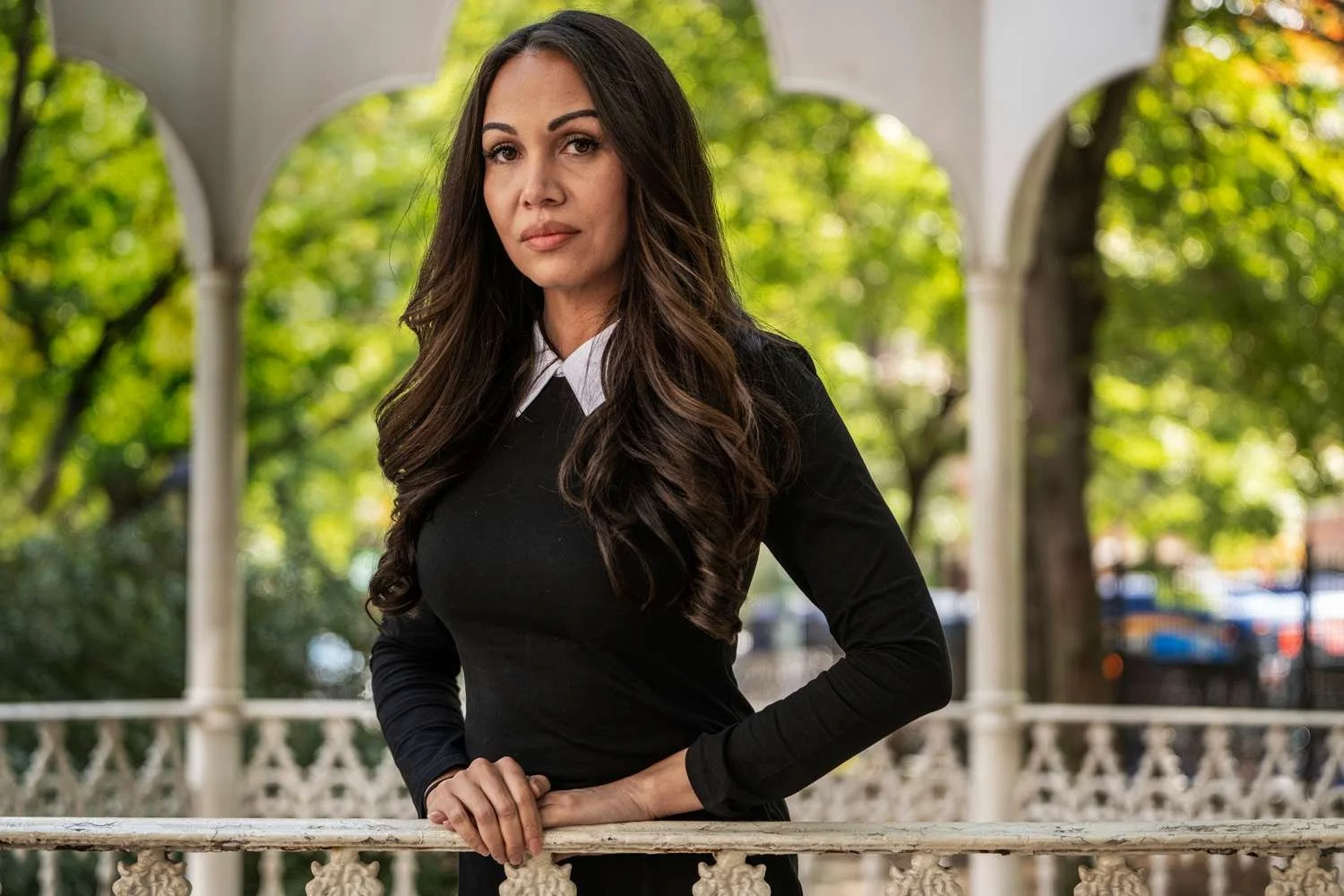
Megan Garcia
Lawyer and activist
-
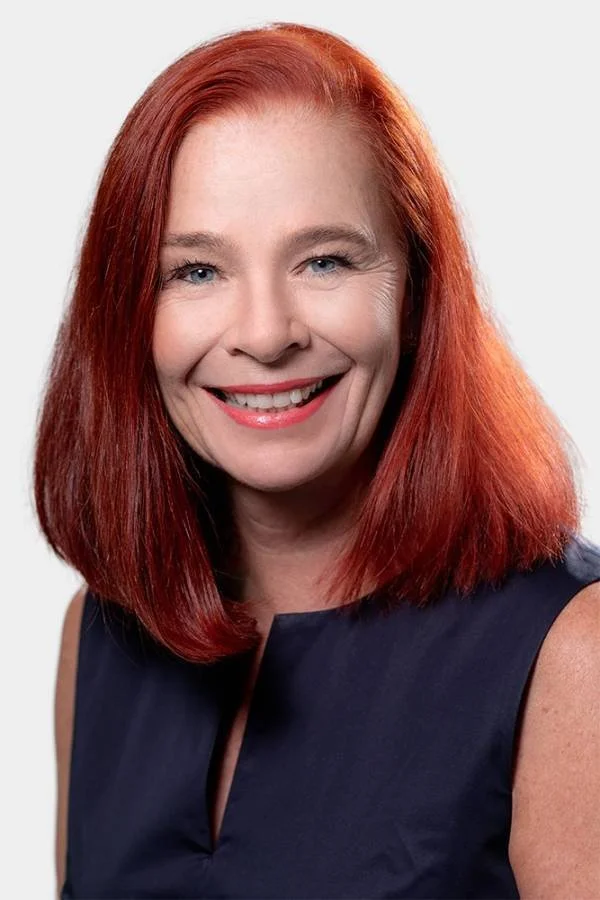
Catherine Tait
Former President and CEO, CBC/Radio-Canada
-
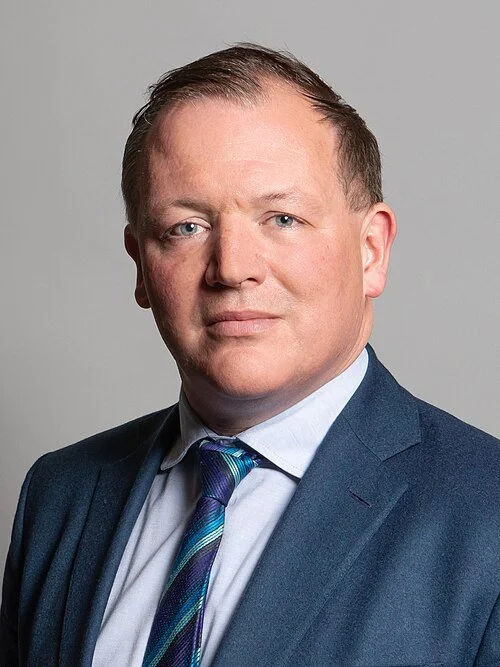
Damian Collins
Former Minister for Tech and the Digital Economy, UK Parliament
-
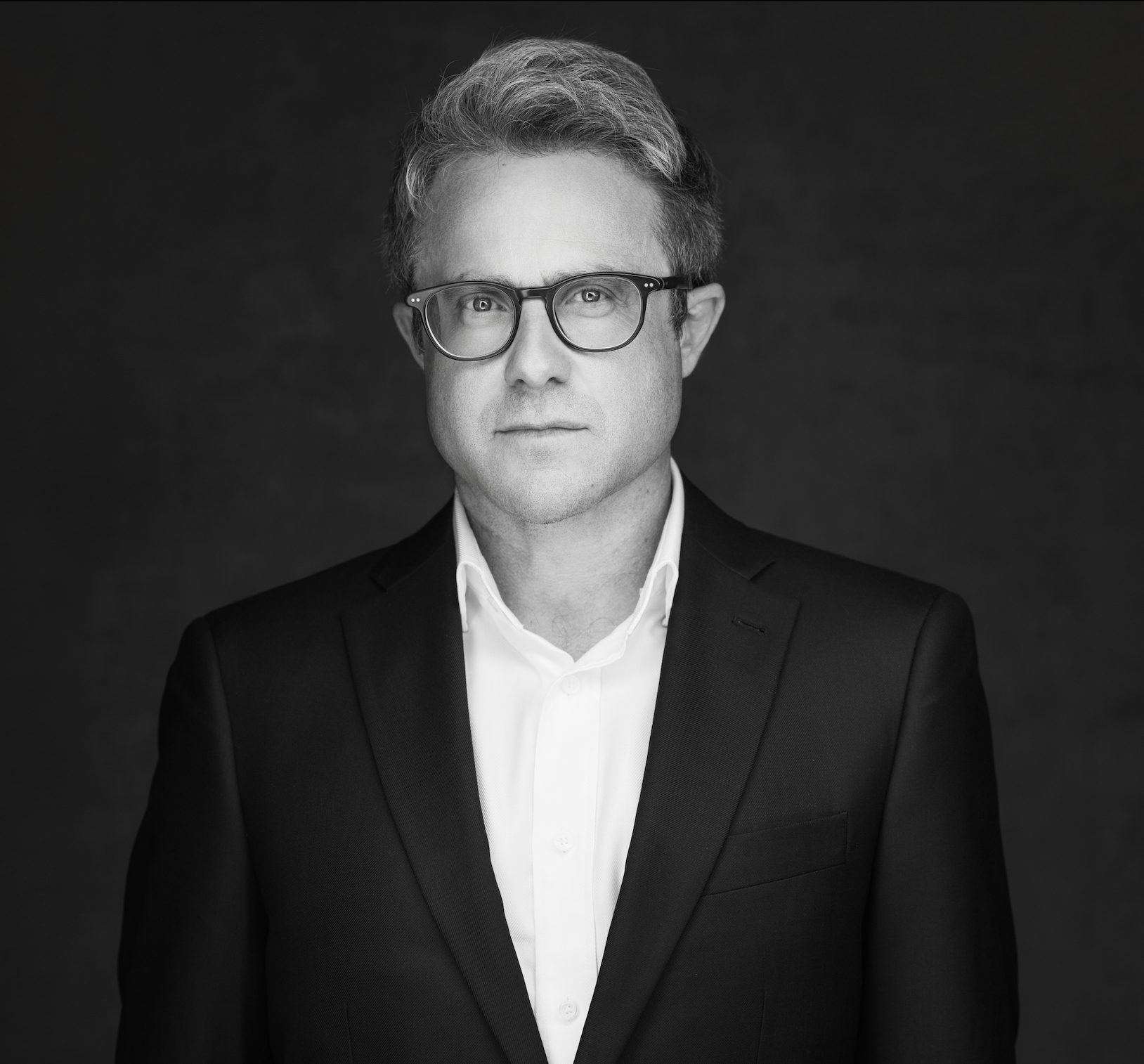
Taylor Owen
Director, Centre for Media, Technology, and Democracy
-
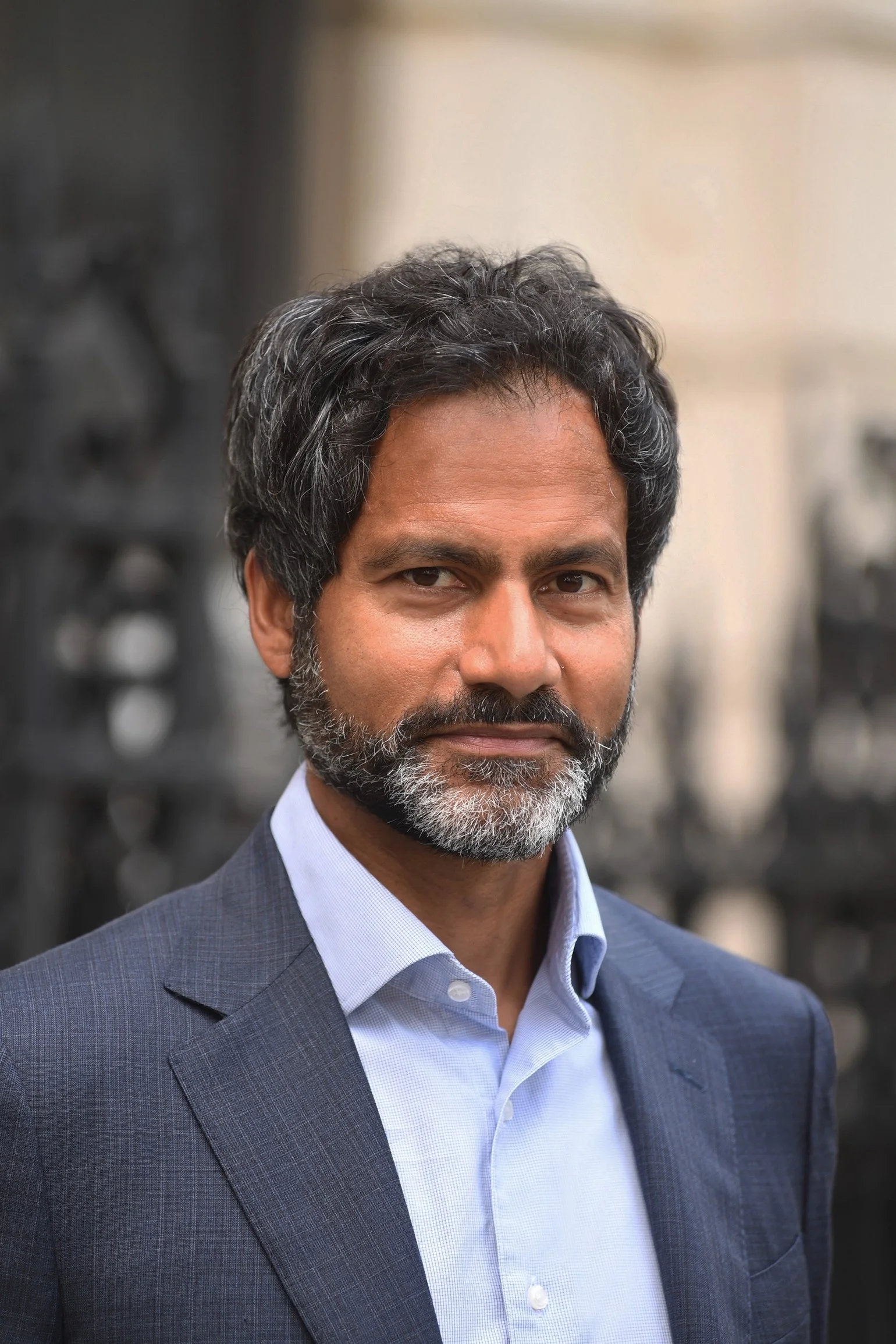
Jameel Jaffer
Inaugural director of the Knight First Amendment Institute, Columbia University
-
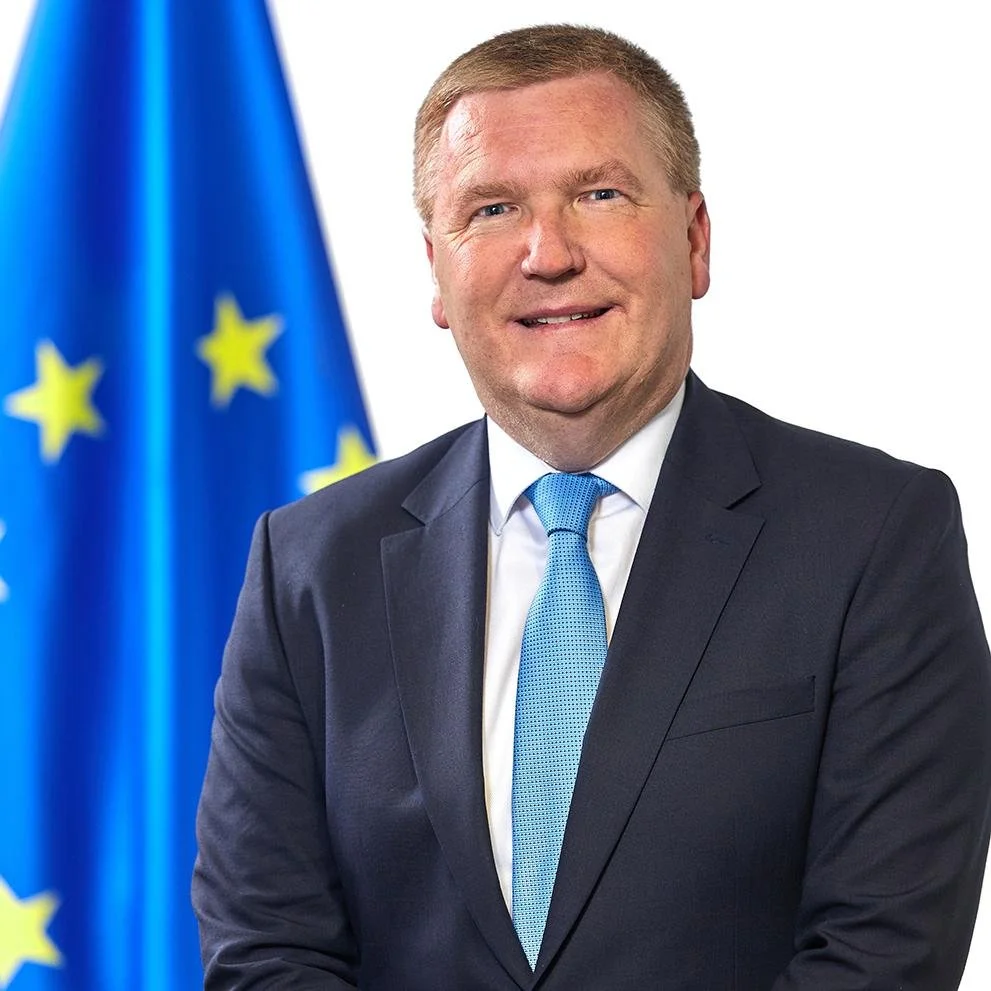
Michael McGrath
EU Commissioner for Democracy, Justice, the Rule of Law and Consumer Protection
-
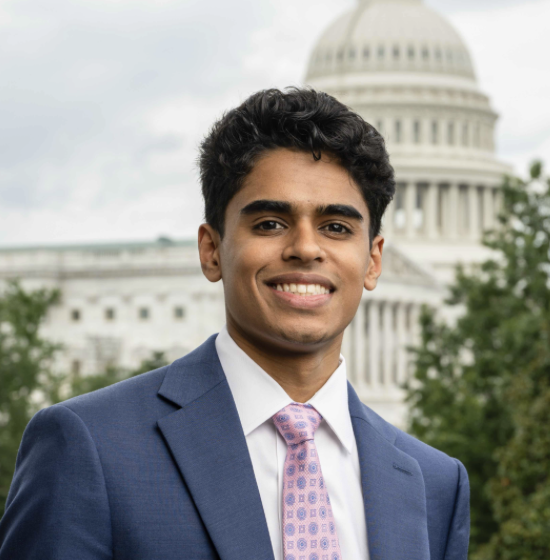
Zamaan Qureshi
Co-Chair, Design It For Us
-
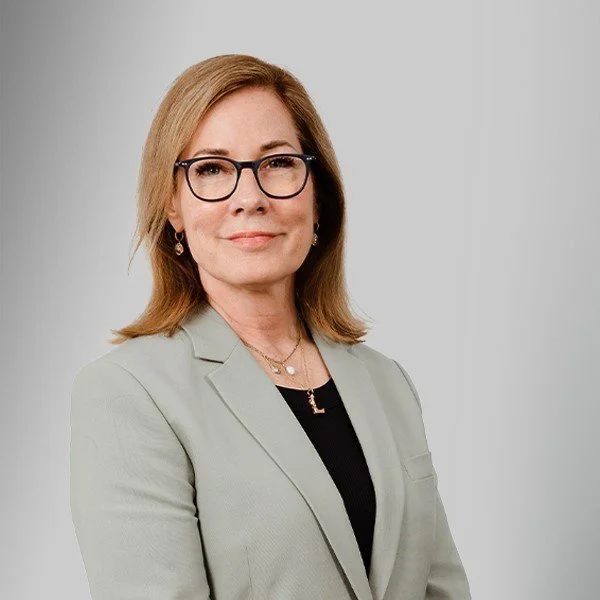
Elizabeth Denham
Former UK Information Commissioner and Assistant Privacy Commissioner of Canada
-
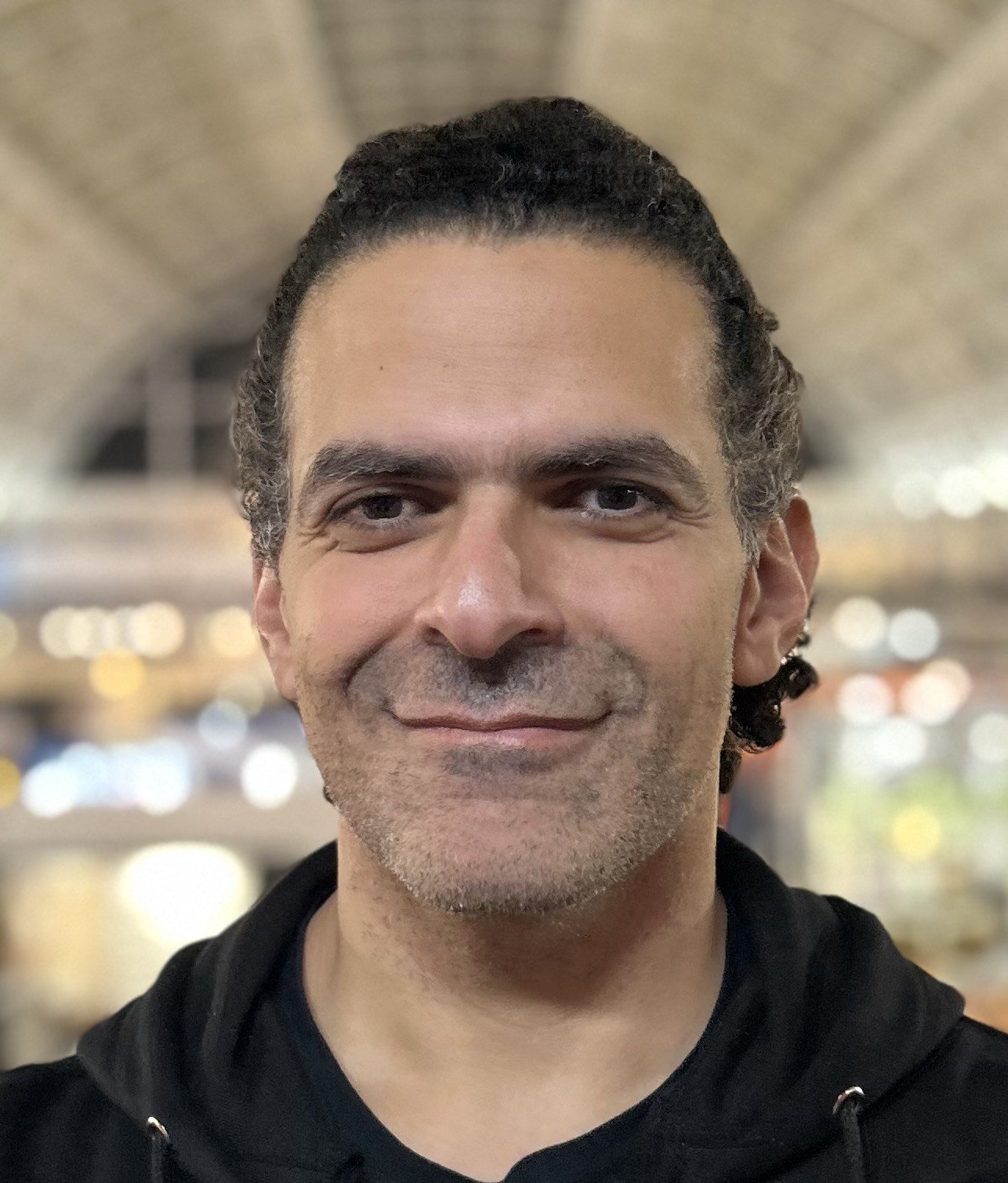
Sherif Elsayed-Ali
Executive Director, Future of Technology Institute
-
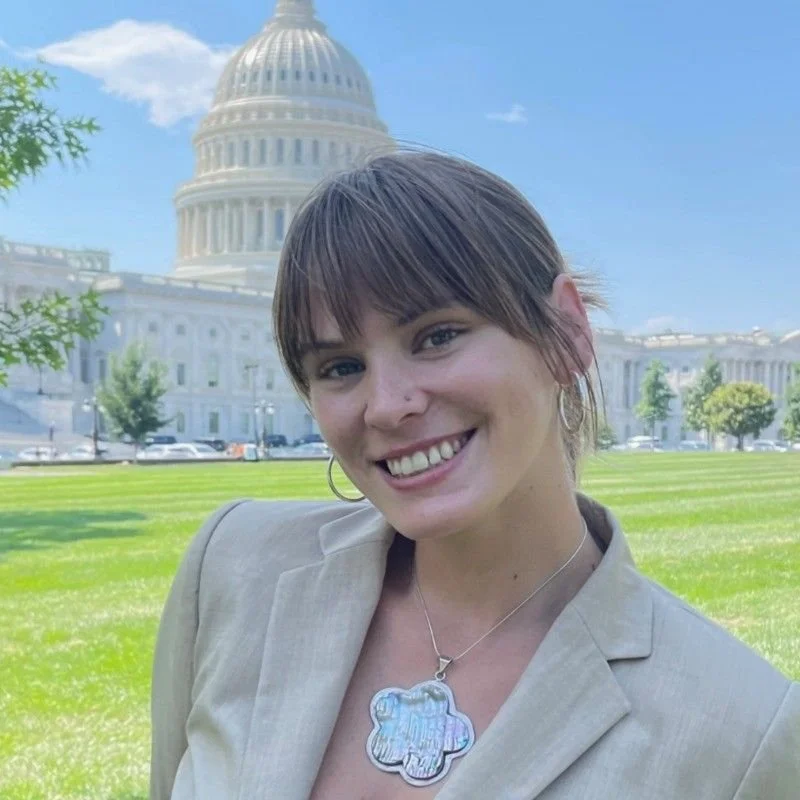
Ava Smithing
Director of Advocacy and Operations at the Young People's Alliance
-
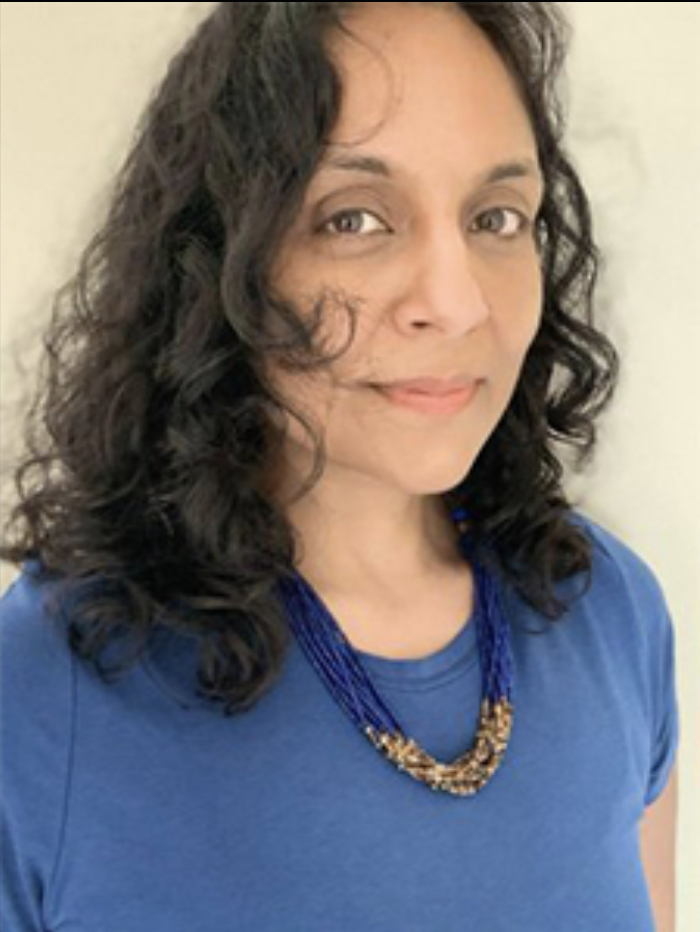
Meetali Jain
Executive Director, Tech Justice Law Project
-
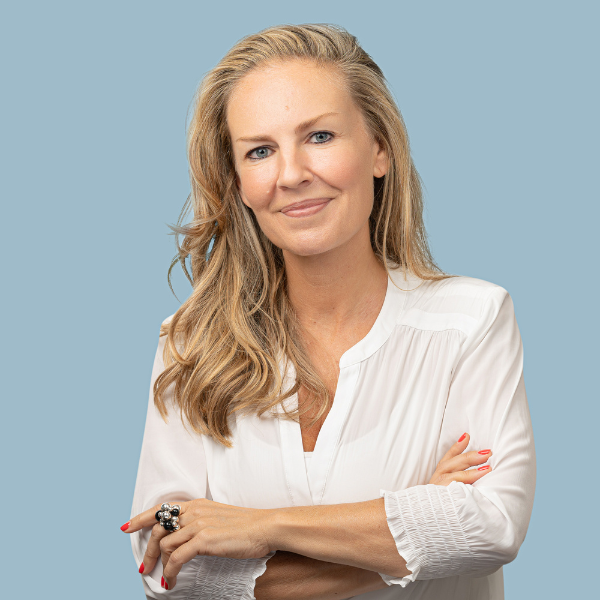
Sasha Havlicek
Co-Founder and CEO, Institute for Strategic Dialogue
-
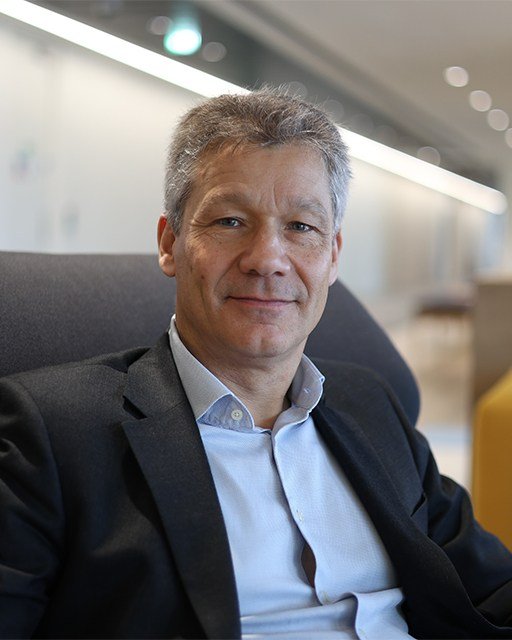
Marcus Bokkerink
Former Chair of the UK Competition and Markets Authority (CMA) Board
-
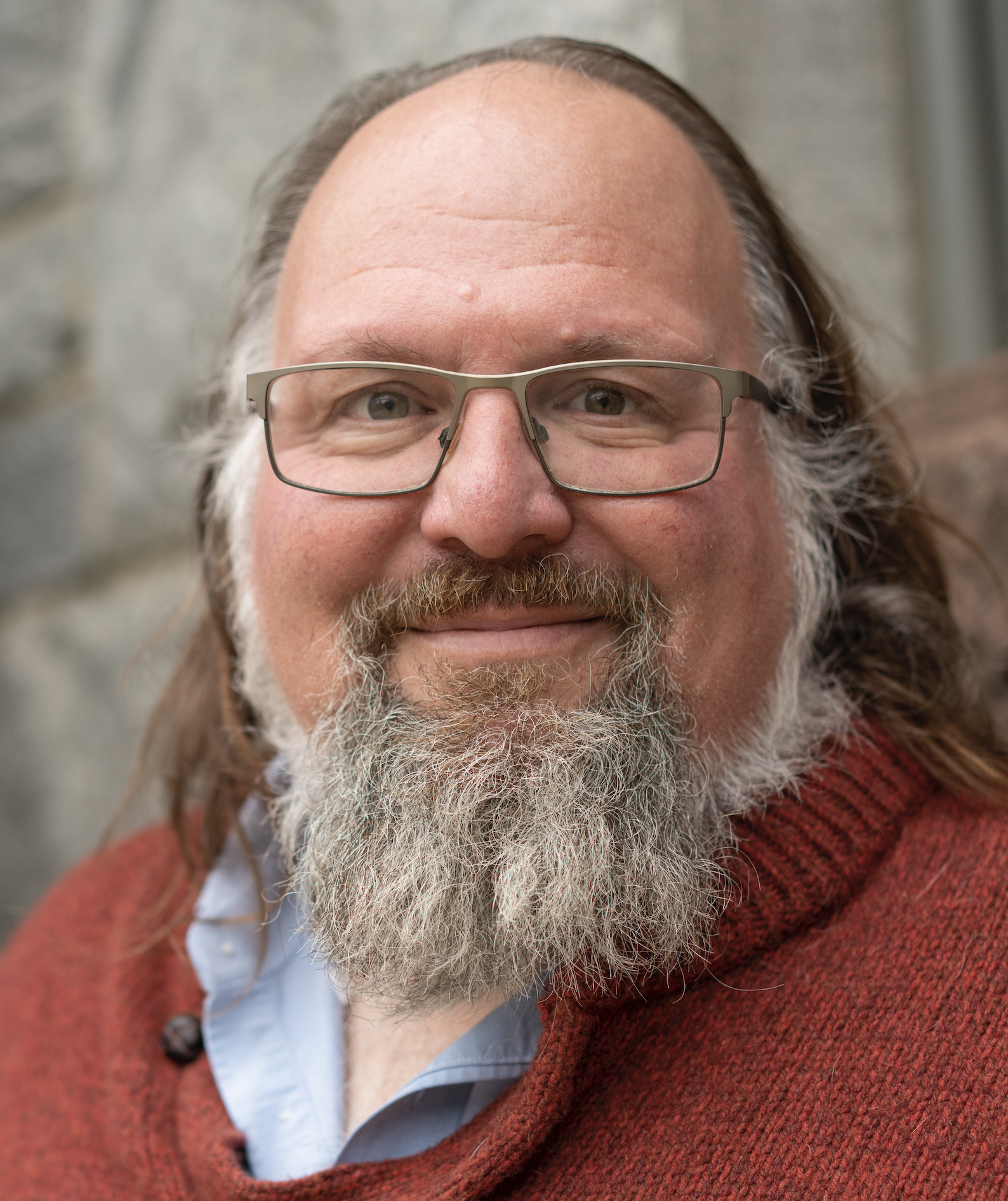
Ethan Zuckerman
Media Scholar and Professor, University of Massachusetts at Amherst
-
Claire Atkin
Co-Founder and CEO, Check My Ads

-
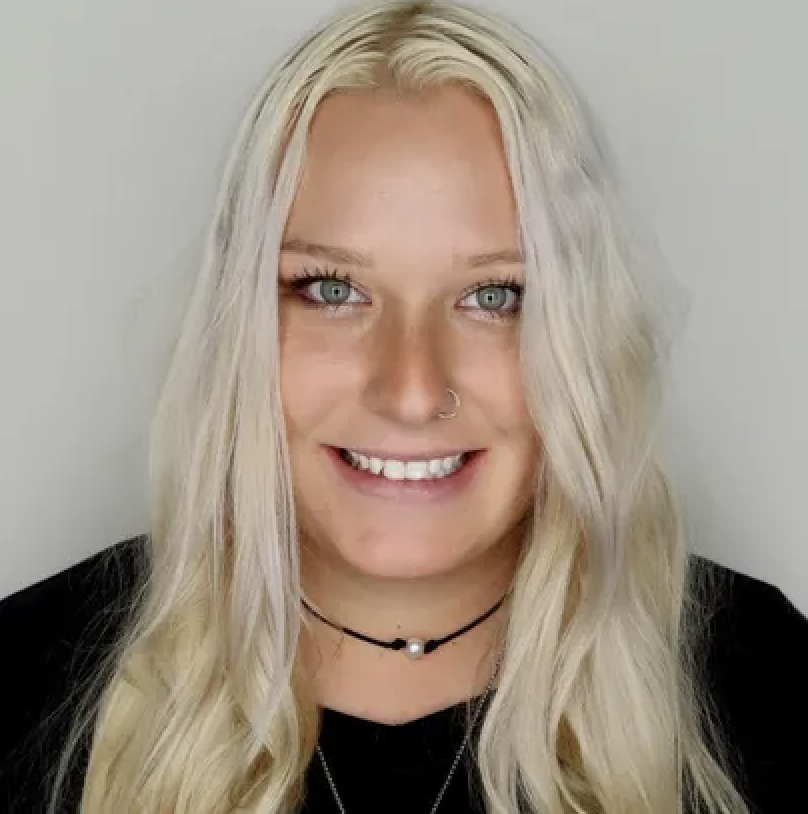
Maddie Freeman
Founder, NoSo
-
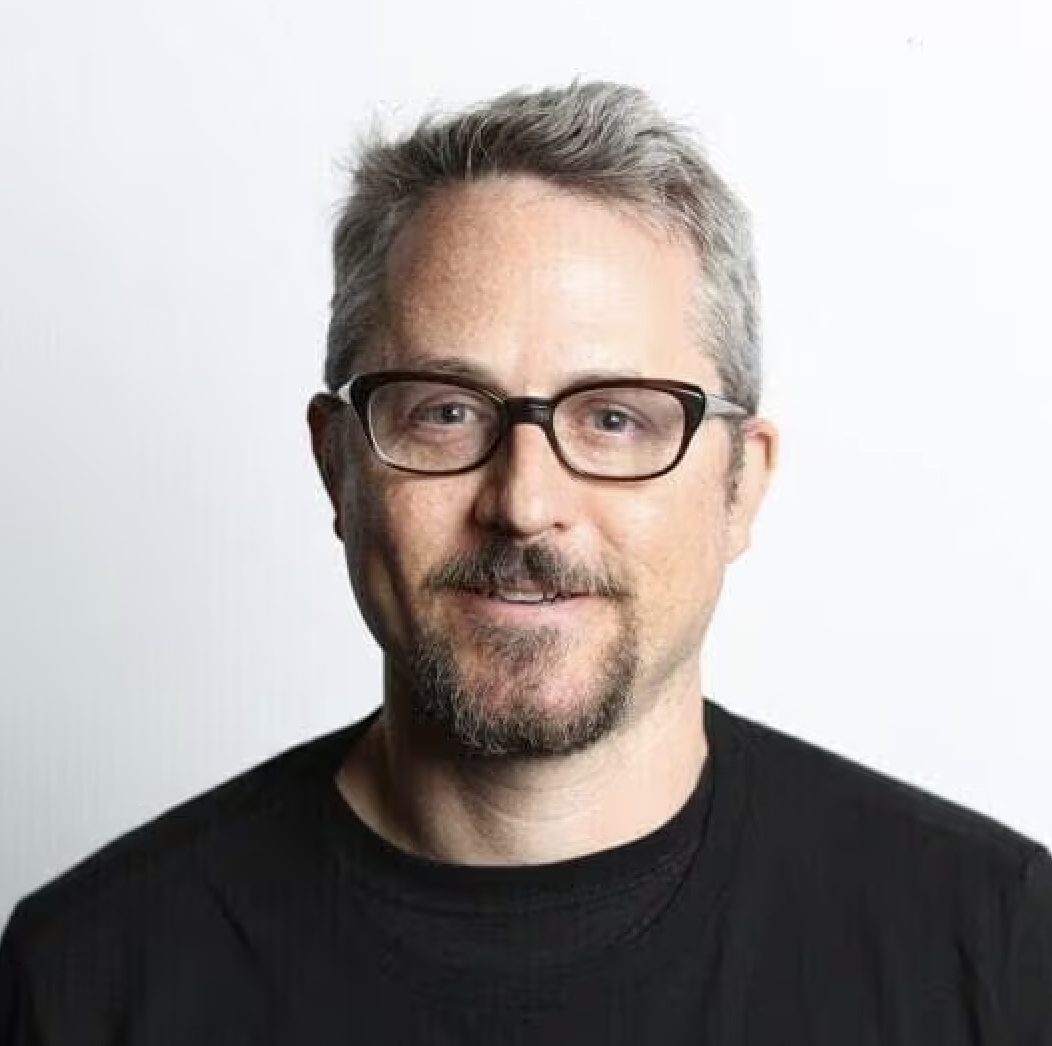
Sam Gregory
Program Director, WITNESS
-
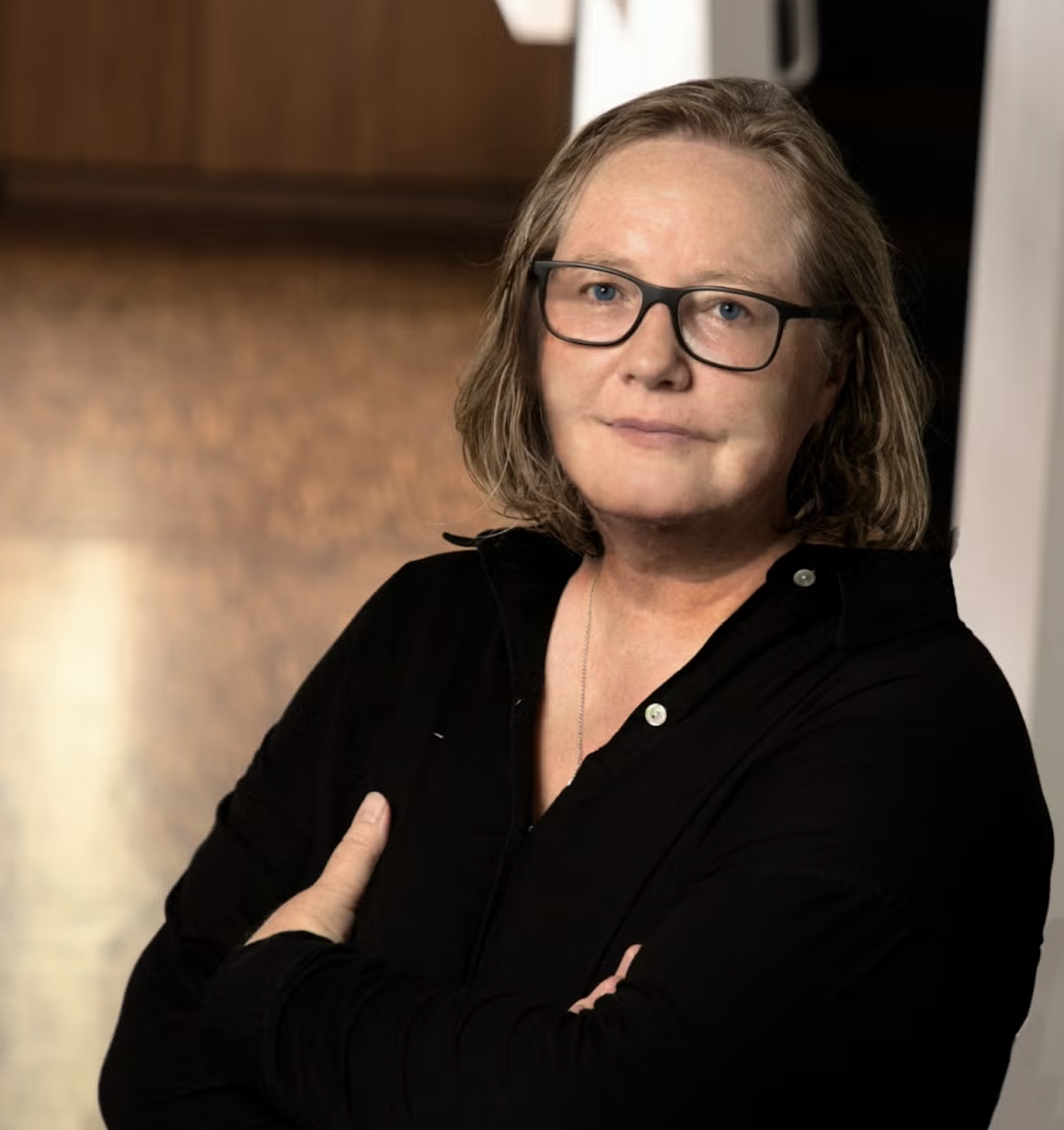
Emily Bell
Director, Tow Center for Digital Journalism
-
Mark Surman
President, Mozilla Foundation

-
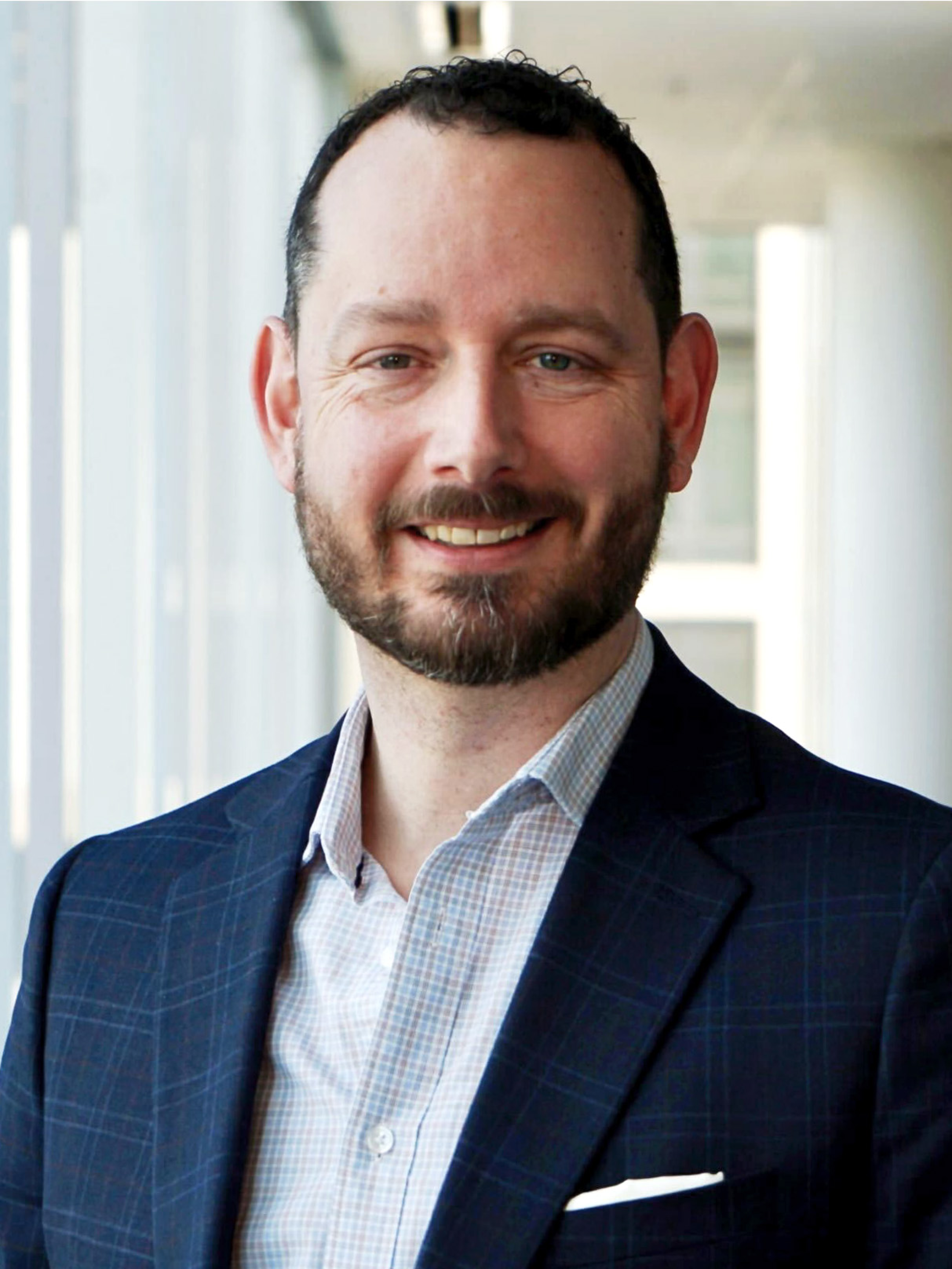
Ryan Merkley
CEO, NPR
-
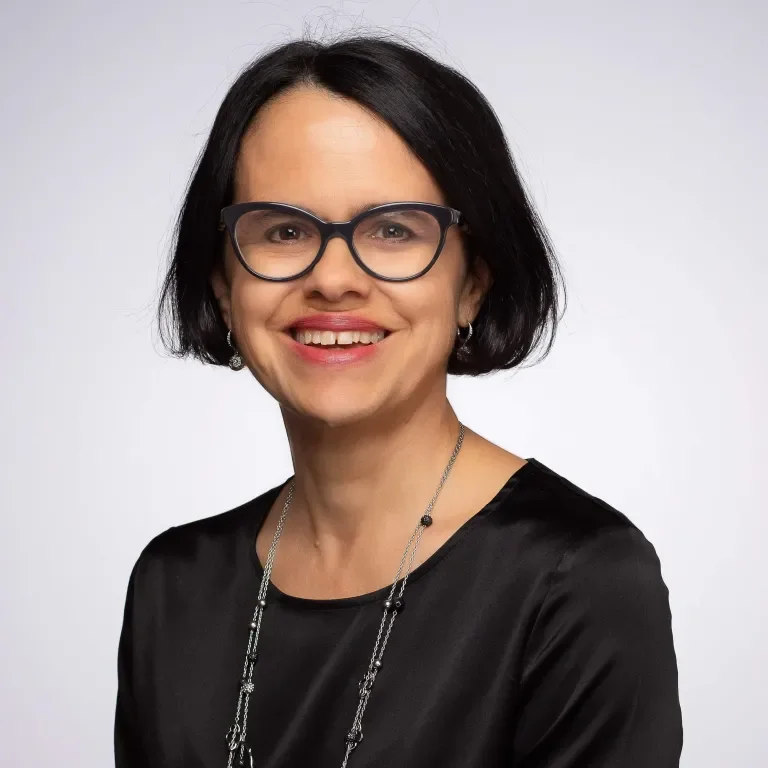
Jennifer Welsh
Director, Max Bell School of Public Policy
-
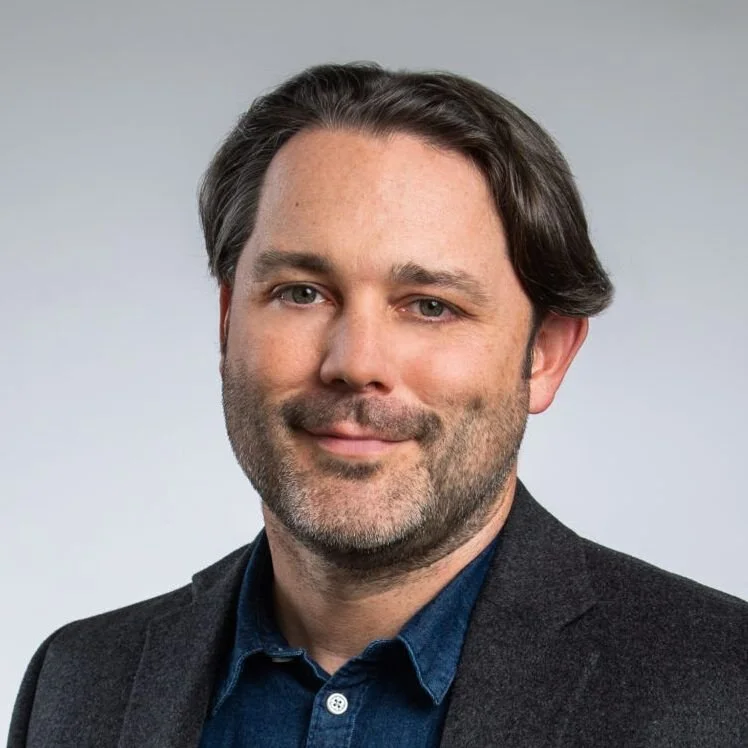
Justin Hendrix
CEO and Editor, Tech Policy Press
-
Luther Lowe
Head of Public Policy, Y Combinator

-
Vass Bednar
Managing Director of the Canadian SHIELD Institute

-
Fergus Linley-Mota
Director, Dialogue on Technology Project (DoT)

-
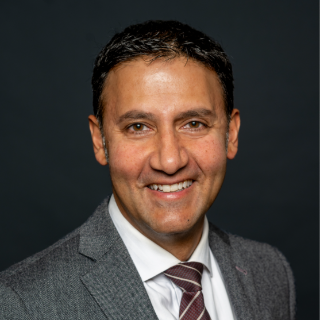
Arif Virani
Lawyer and former Minister of Justice and Attorney General of Canada
-
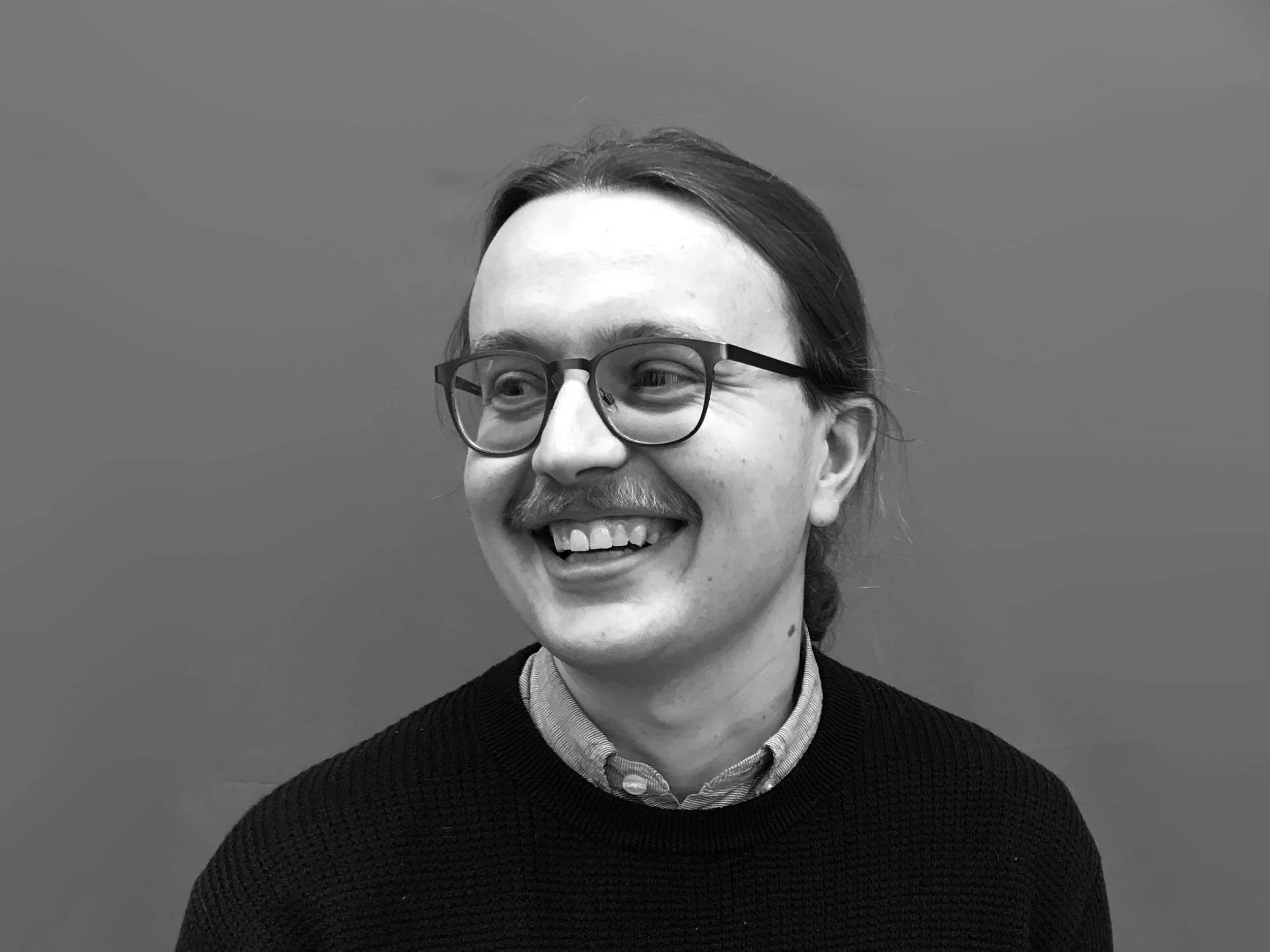
Aengus Bridgman
Director, Media Ecosystem Observatory
-
Camille François
Assistant Professor of Practice of International and Public Affairs, SIPA

-
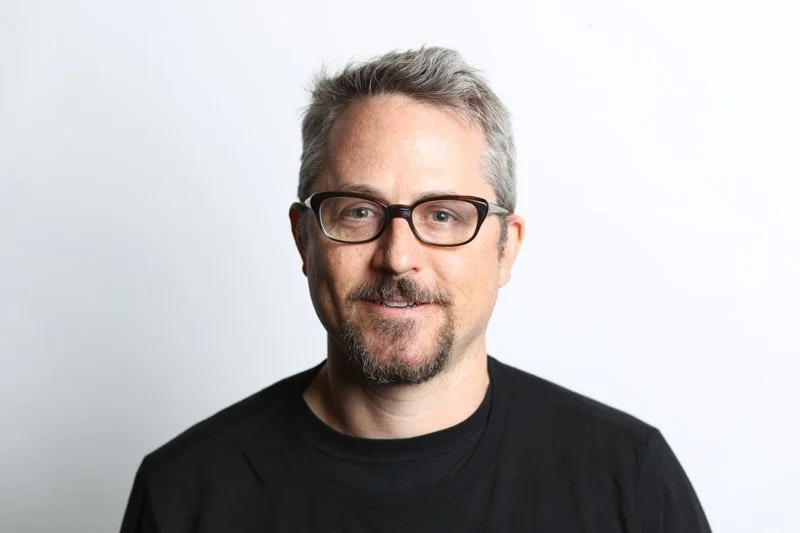
Sam Gregory
Executive Director, WITNESS
-
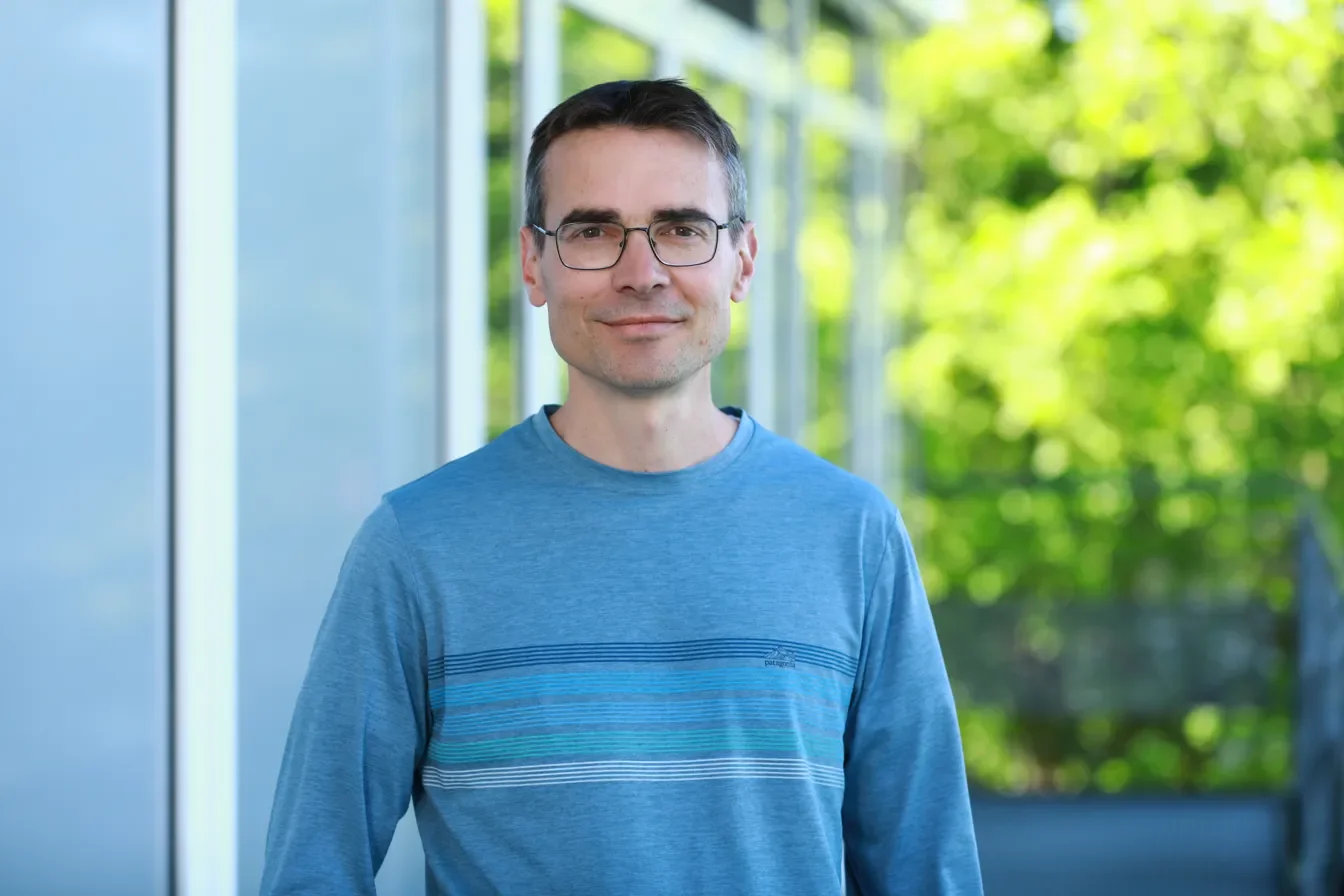
Ben Scott
CEO, Reset Tech
-
Jessica Johnson
Lead, Public Media Project at the Centre for Media, Technology and Democracy and former EIC of The Walrus

-
Felix Kartte
Mercator Senior Fellow and Special Adviser to the European Commission
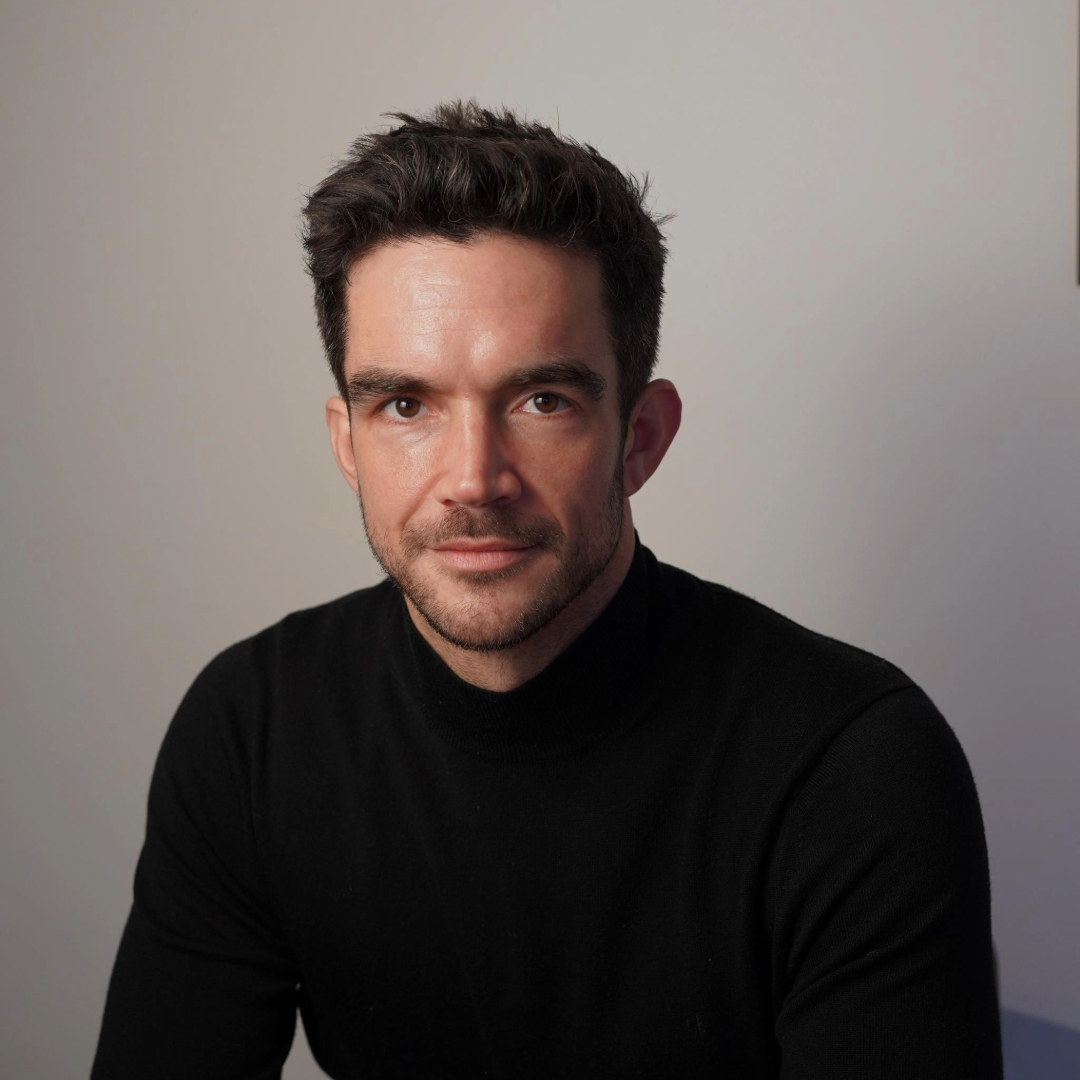
-
David Skok
CEO & Editor-in-Chief, The Logic
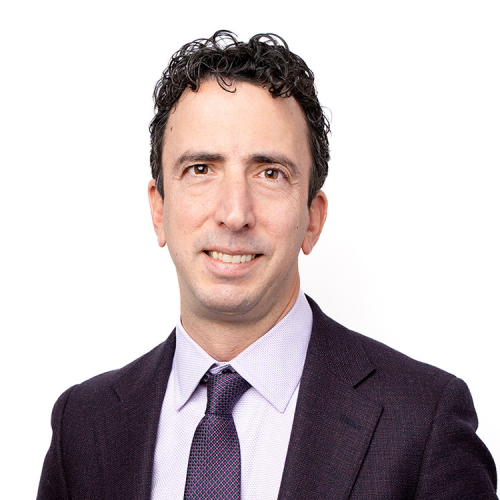
-
Fen Osler Hampson
Chancellor, Carleton University
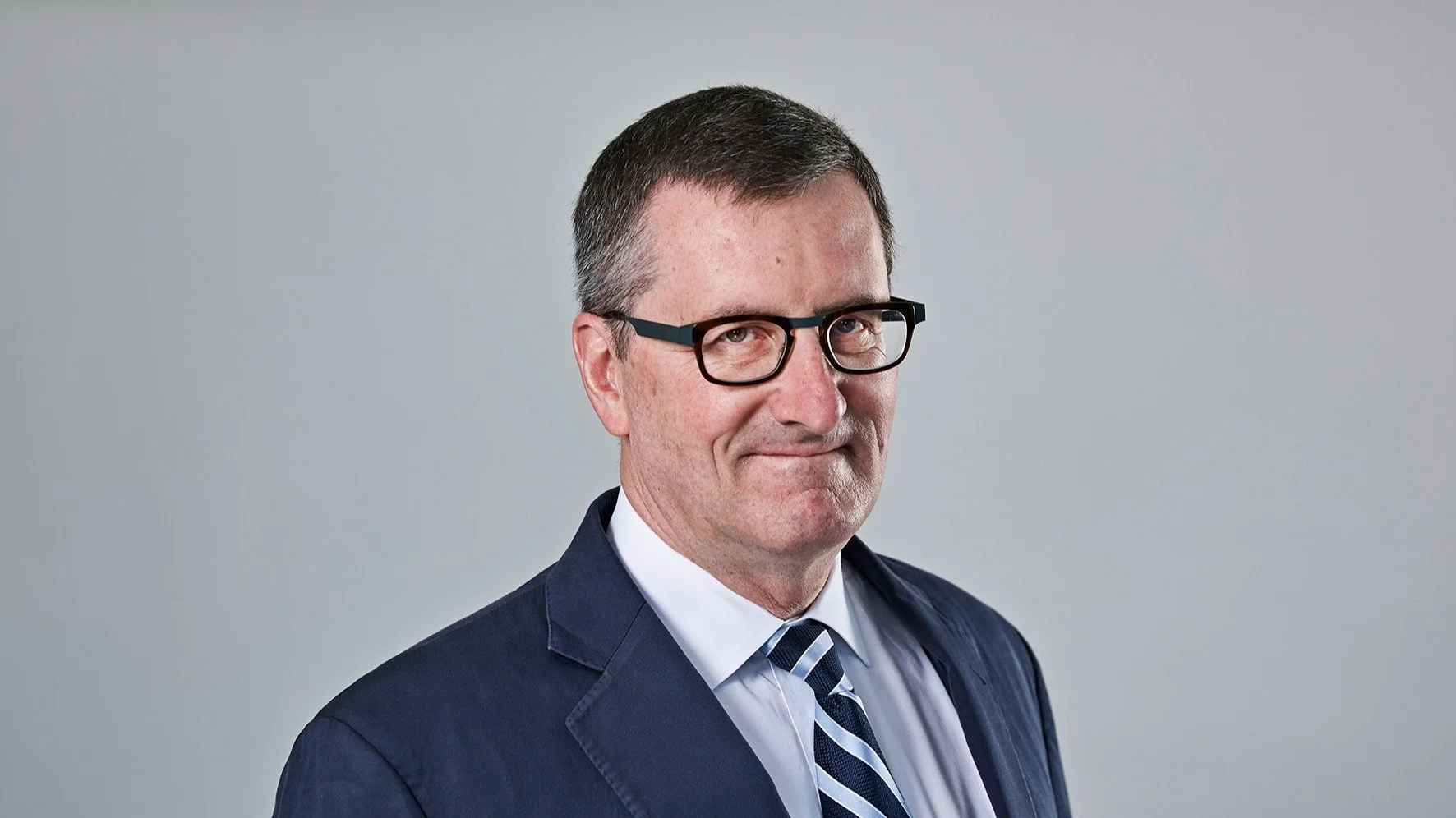
-
Helen Hayes
Senior Fellow, Centre for Media, Technology, and Democracy

-
Murad Hemmadi
Reporter, The Logic
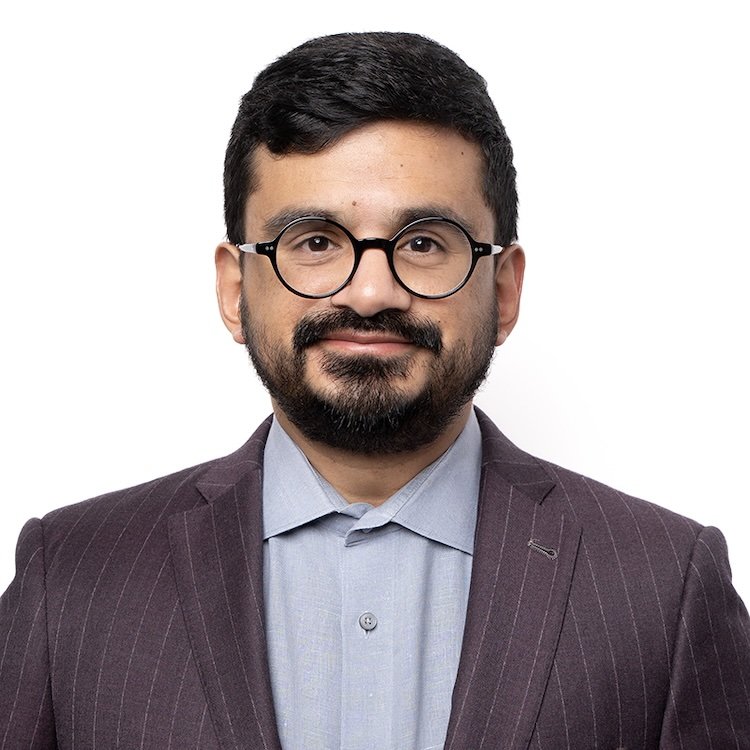
-
Imran Ahmed
Founder and CEO, Center for Countering Digital Hate

-
Ivan Sigal
Photographer and former Executive Director, Global Voices
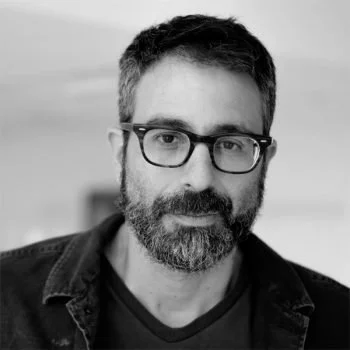
-
Gary Marcus
Scientist, Author, and Entrepreneur

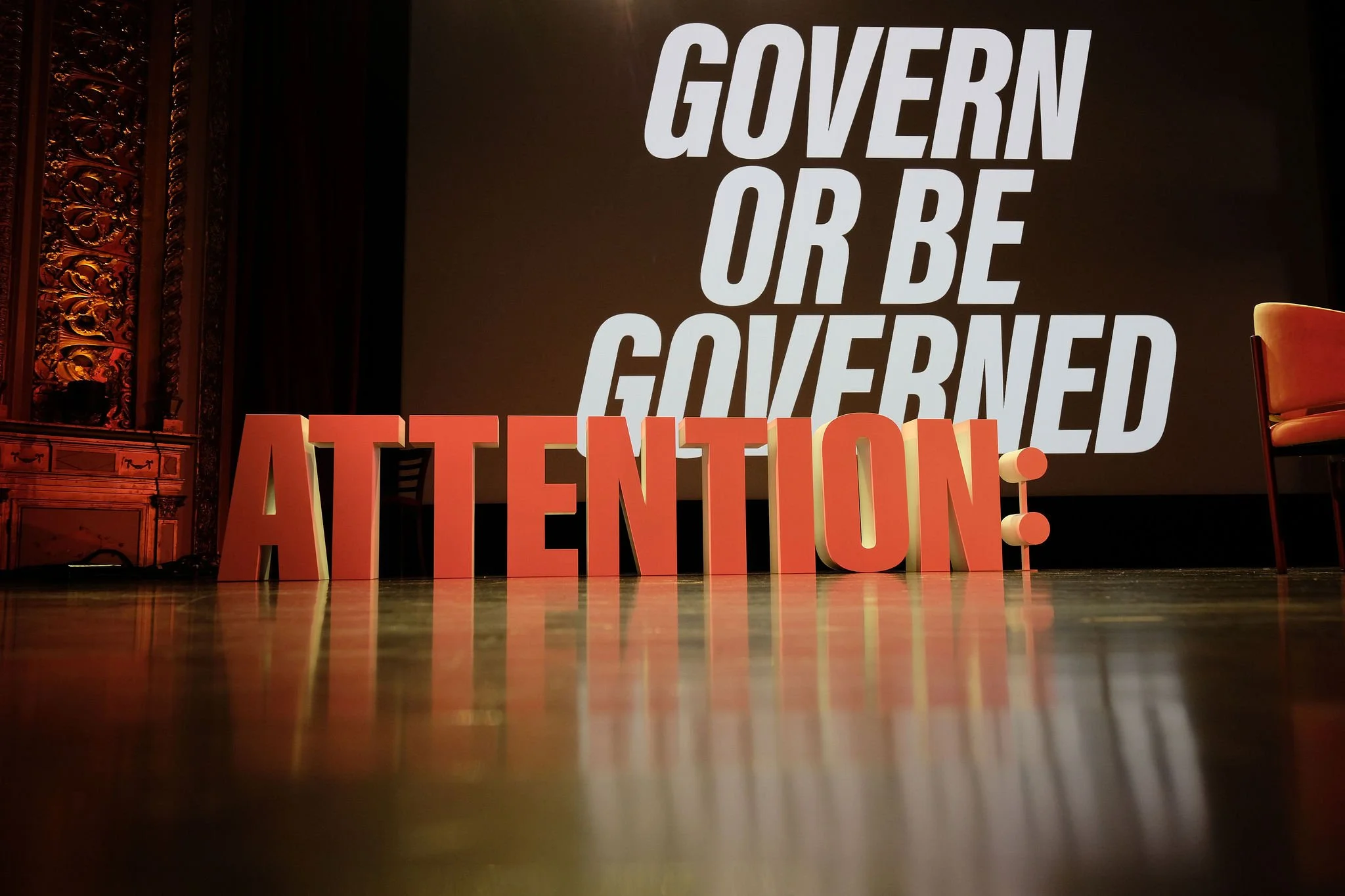
Attention: Govern or Be Governed.
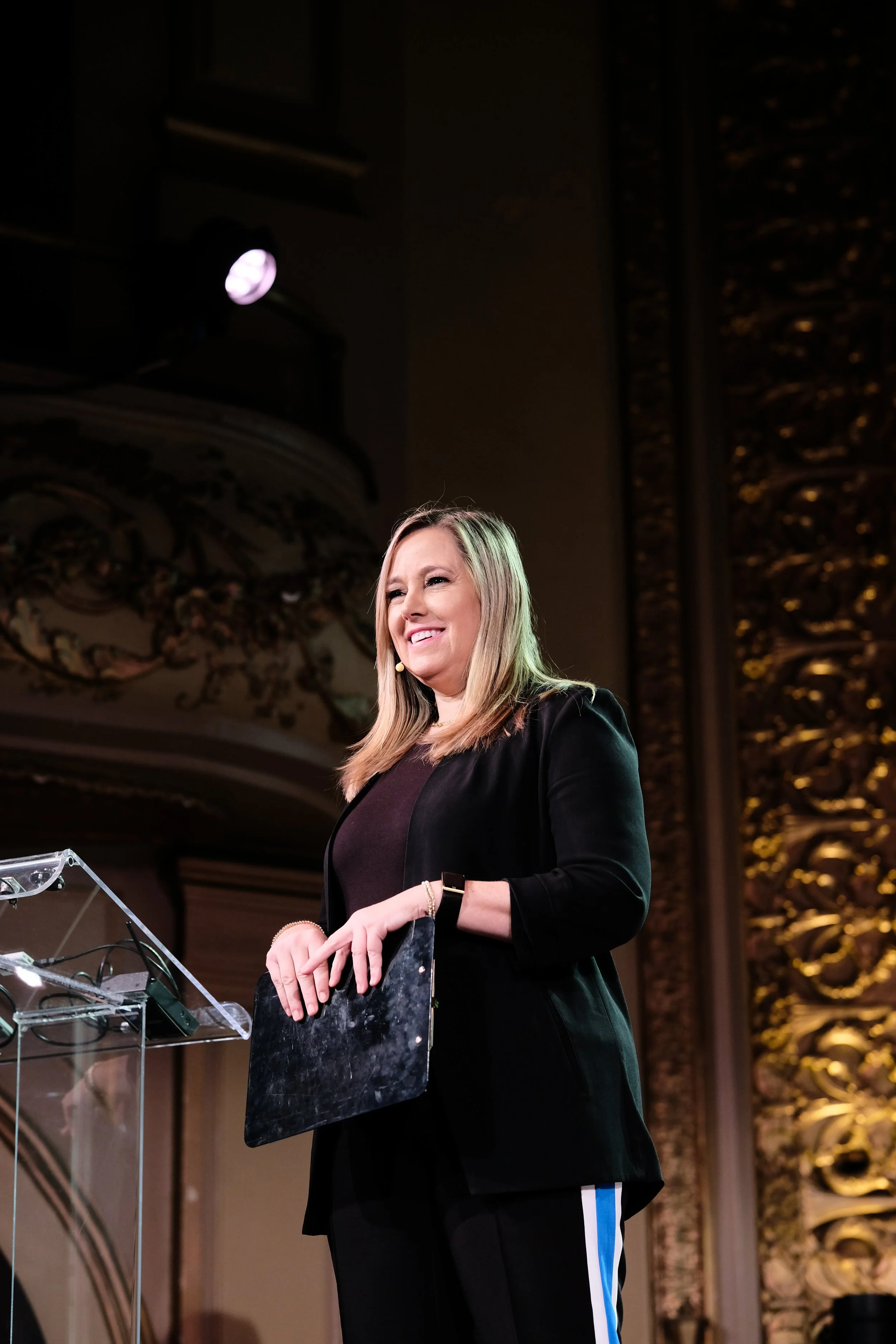
Host Amber Mac welcomes participants to Attention: Govern or Be Governed.
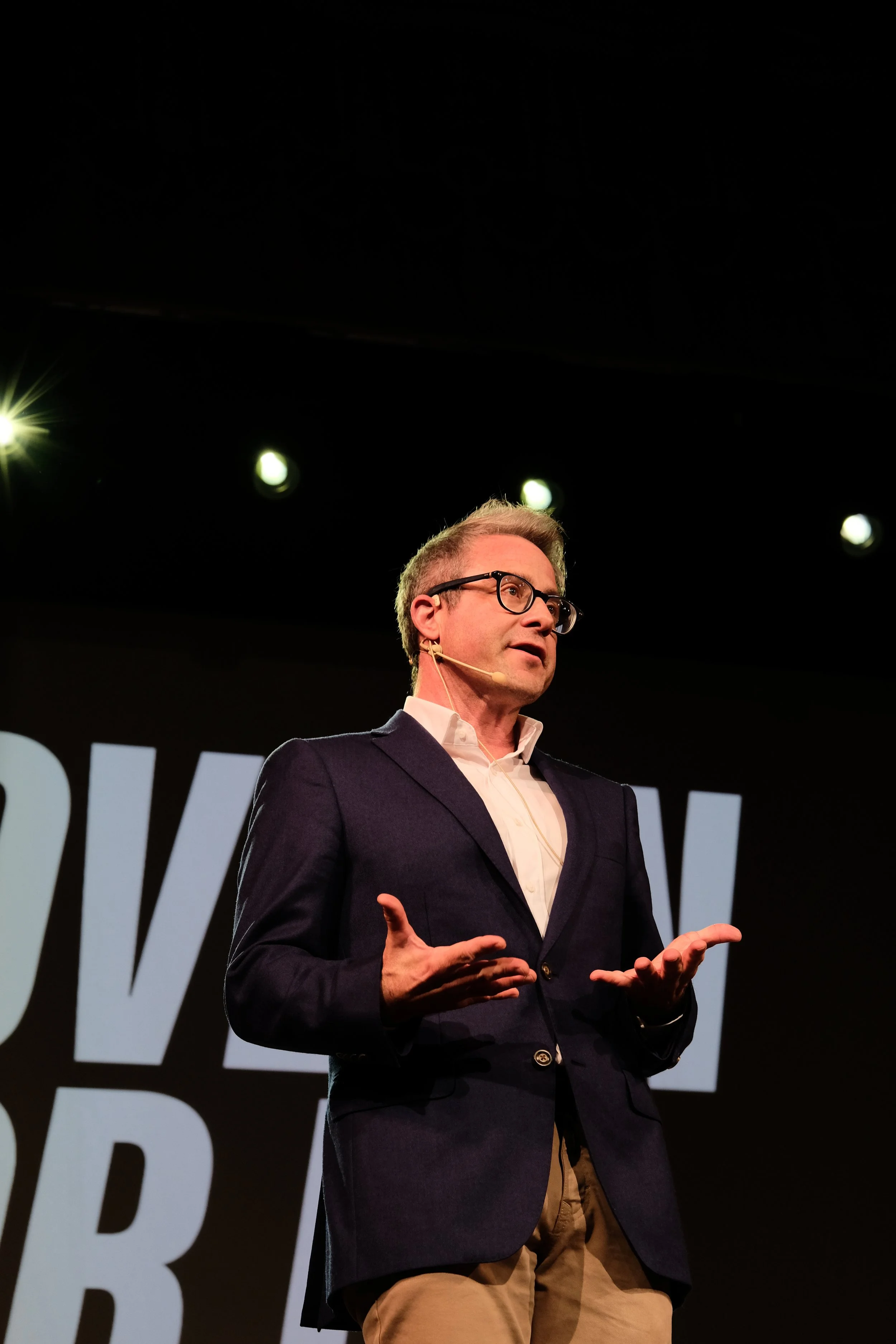
Opening remarks by Taylor Owen, Founding Director of the Centre for Media, Technology and Democracy.
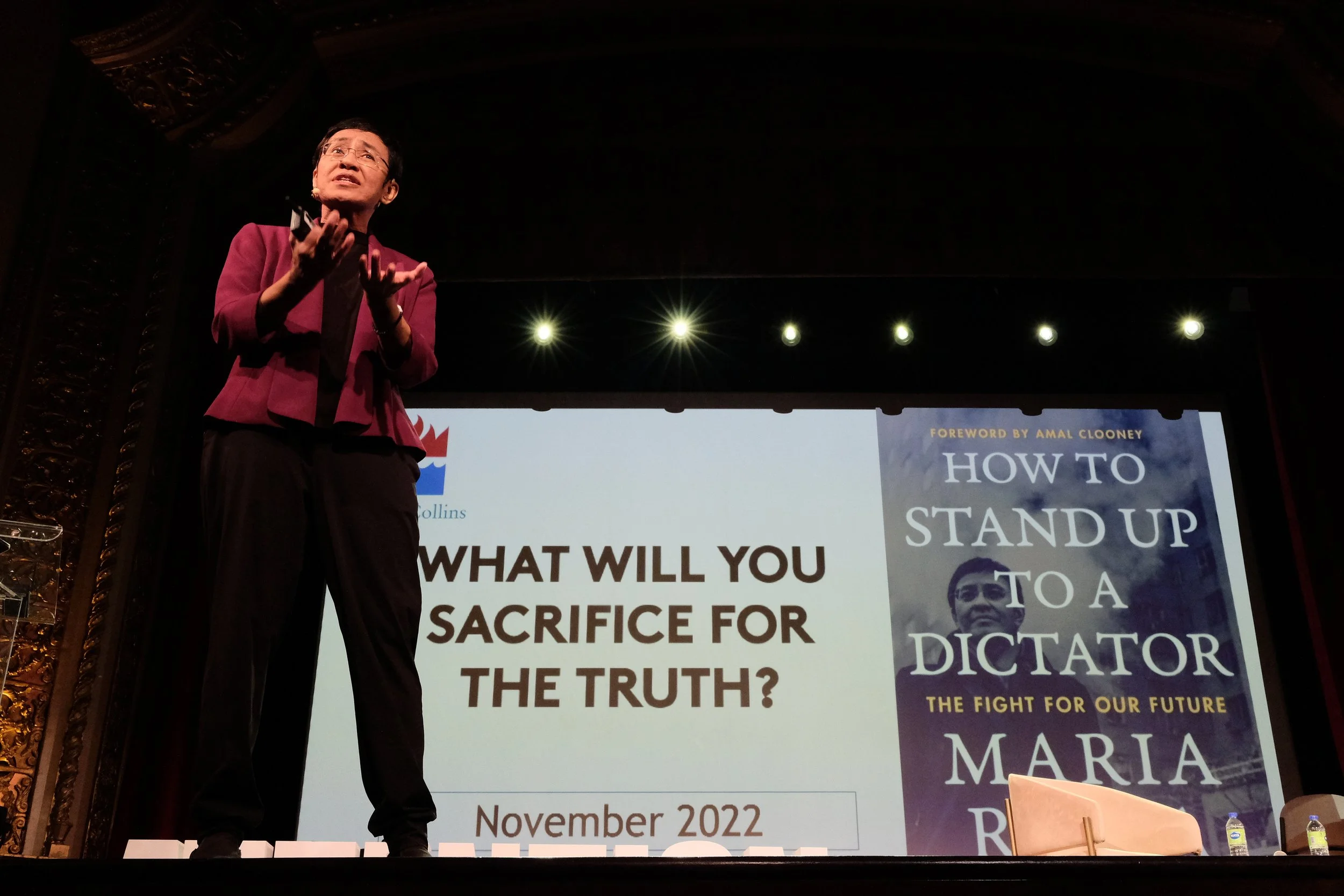
Keynote address by Maria Ressa, Nobel Peace Laureate and Co-Founder and CEO of Rappler.
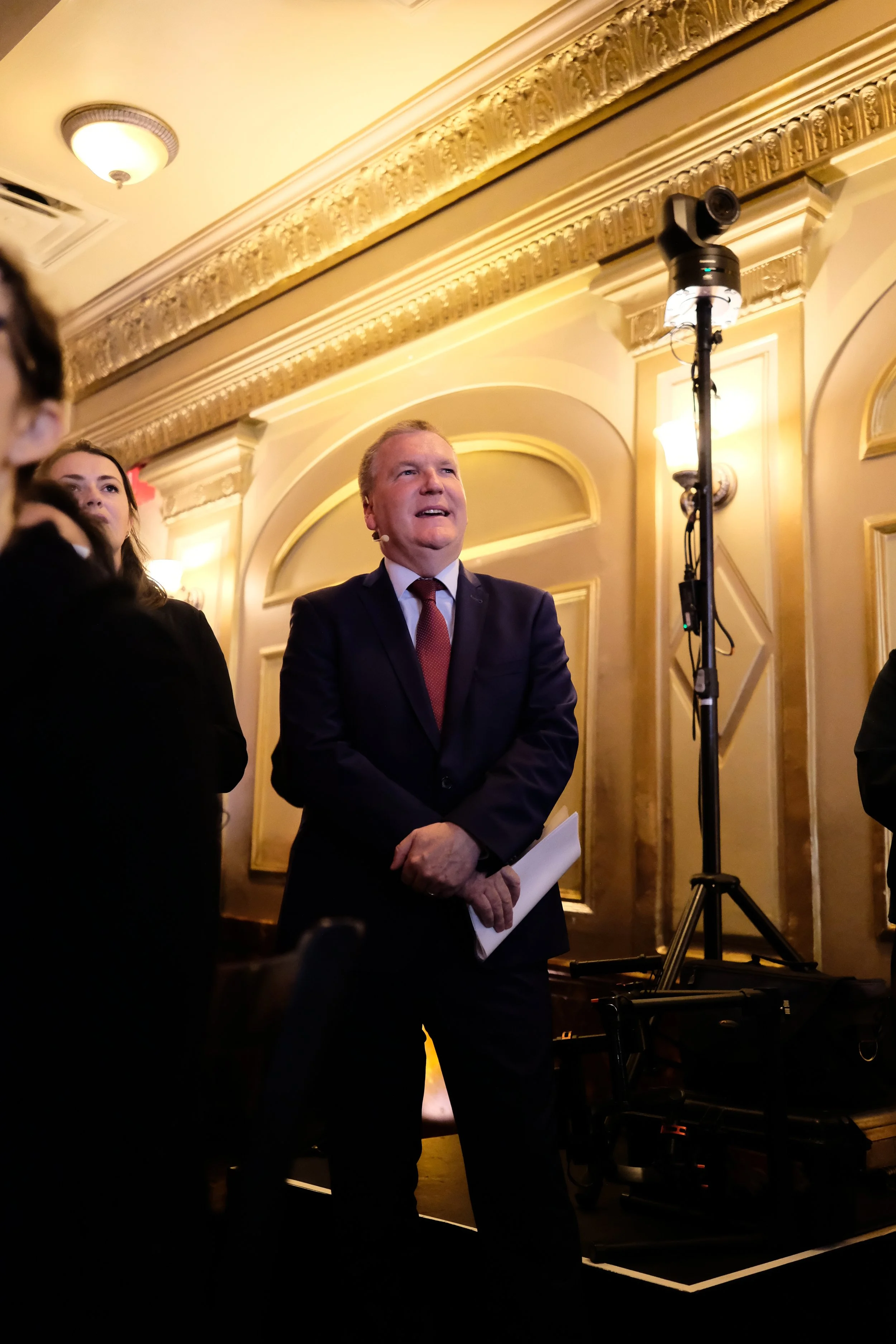
Michael McGrath, EU Commissioner for Democracy, Justice, the Rule of Law and Consumer Protection, listens before doing his keynote address.
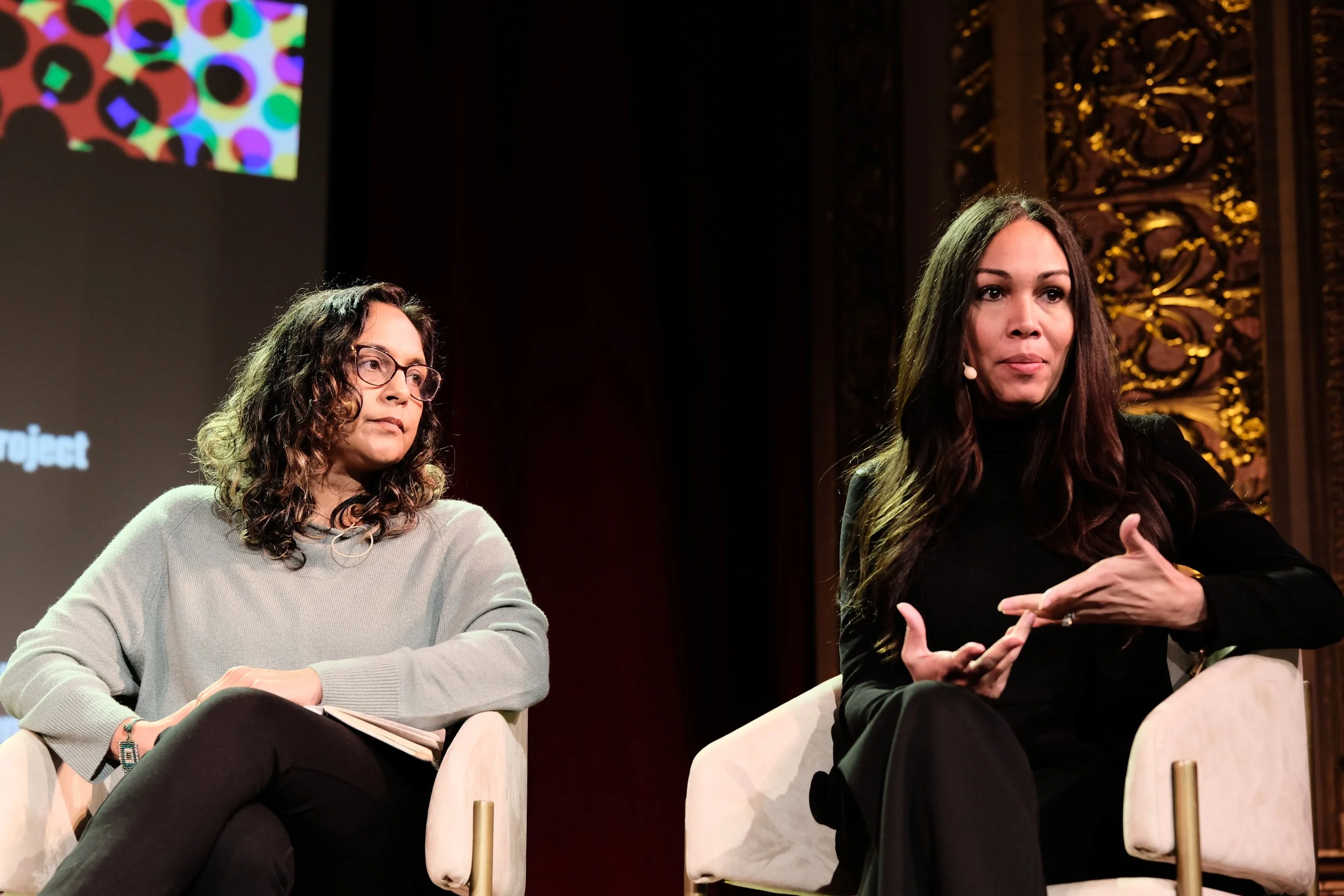
Tech Justice Law Project Director Meetali Jains listens to lawyer, mother and advocate Megan Garcia during their panel, “Chatbots as the New Threat to Children Online".
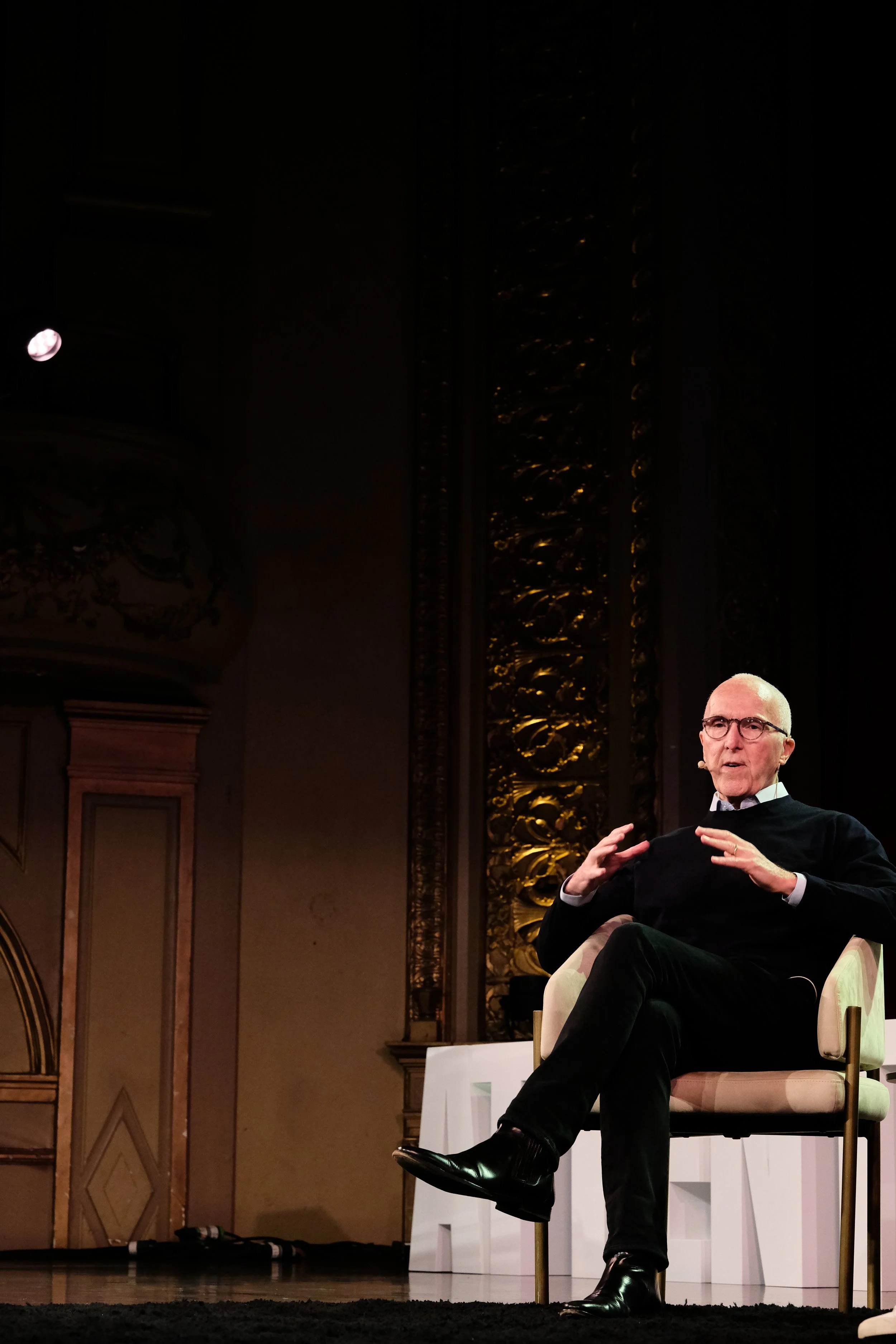
Frank McCourt, Founder and Executive Chairman of McCourt Global and Project Liberty, speaks about the work Project Liberty is doing to help people reclaim their digital personhood.
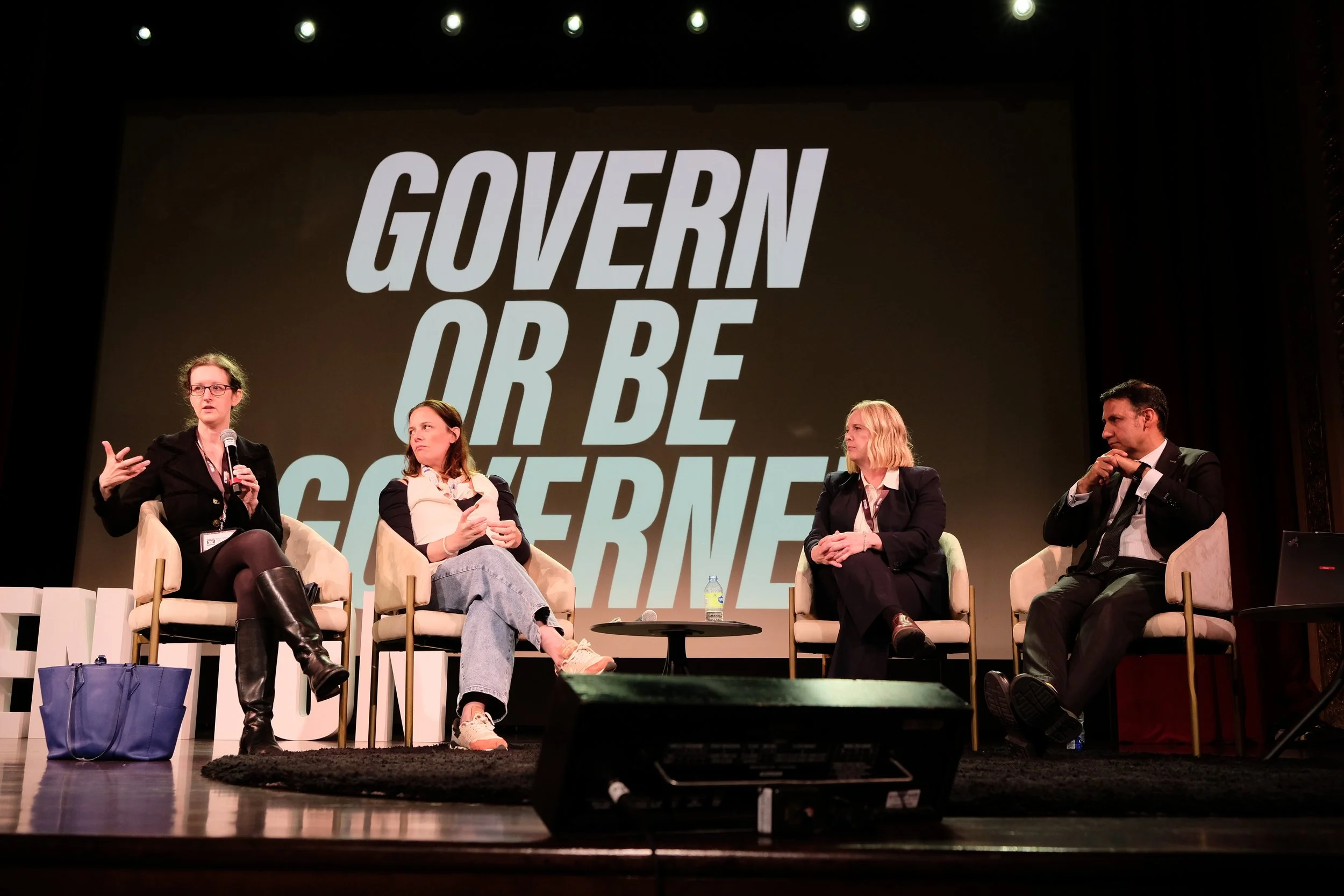
UBC Professor and Canada Research Chair Heidi Tworek speaks as her co-panelists listen.
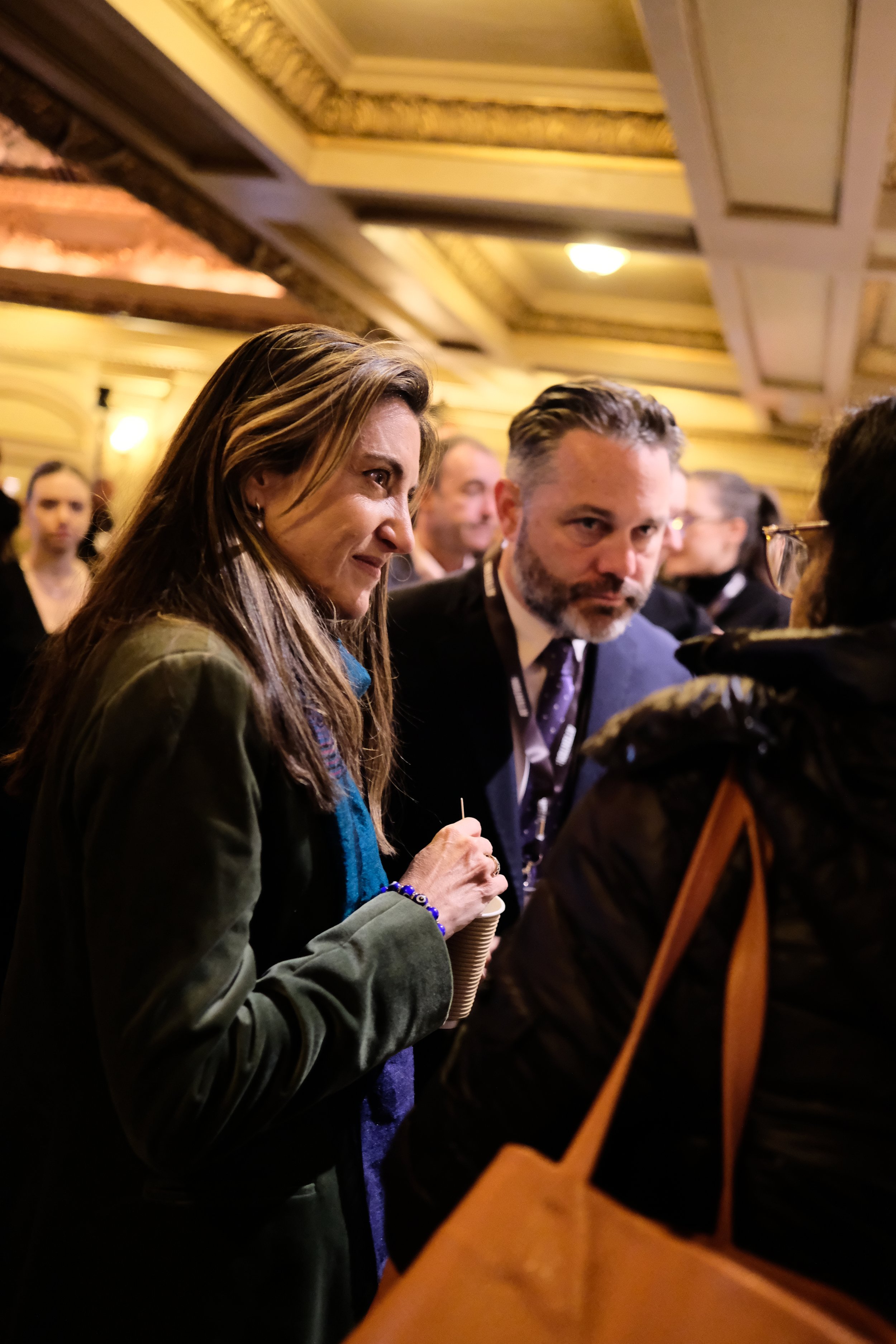
Patricia Campos Mello and Justin Hendrix lean in as they discuss with fellow conference attendee.
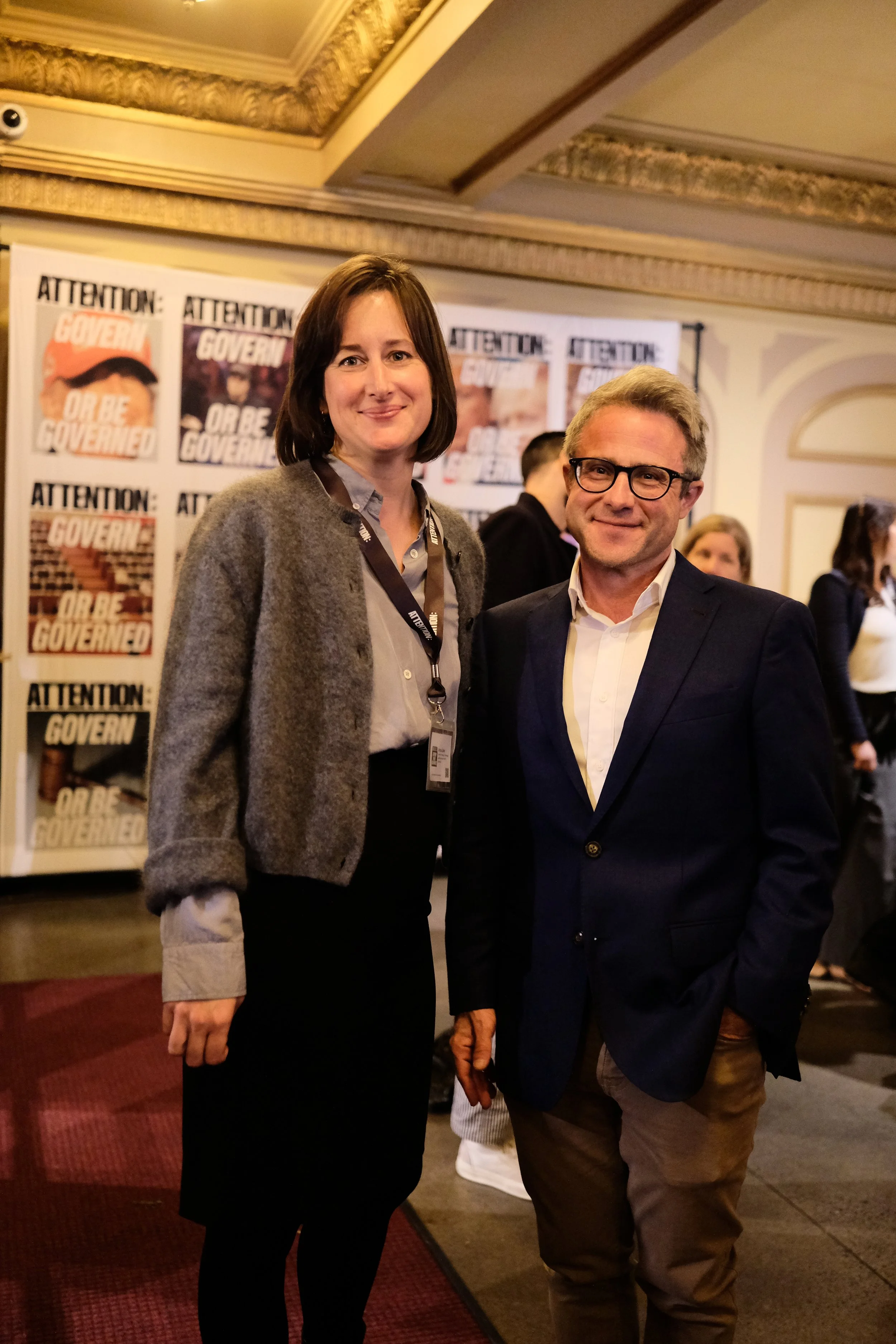
Centre for Media, Technology and Democracy Executive Director Anna Jahn and Founding Director Taylor Owen pose for a photo.
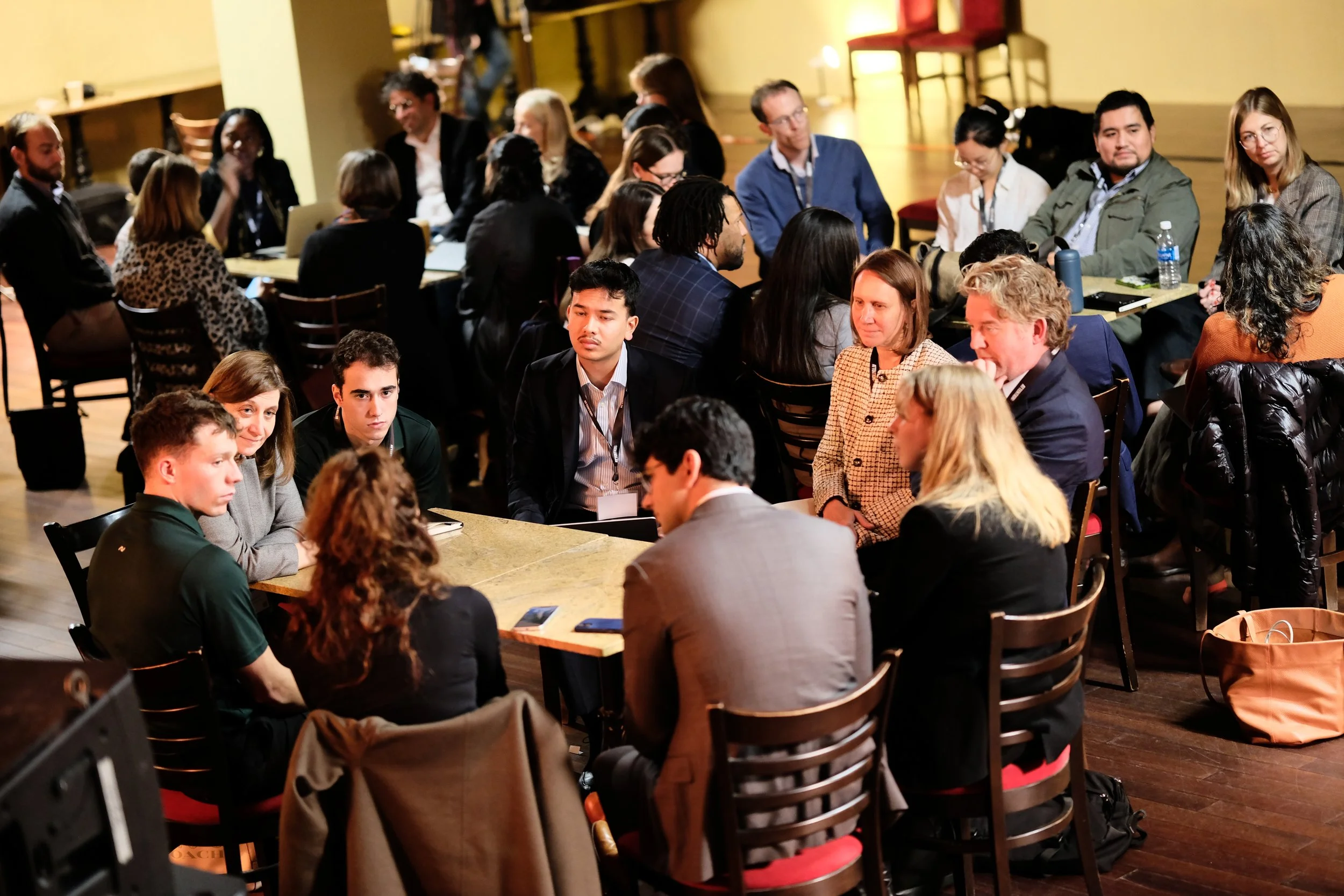
Attendees listen during a roundtable discussion on how young people can flourish online.

Emily Bell, Professor of Professional Practice, Columbia University Graduate School of Journalism and Maria Ressa, Nobel Peace Laureate and Co-founder and CEO, Rappler, catch up during a break.

Youth Fellows at the Centre for Media, Technology and Democracy take notes during a panel.

Discussion between Konstantinos Kapsouropoulos, Digital and Science Counsellor for the EU Delegation in Canada, and Taylor Owen, Founding Director of the Centre for Media, Technology and Democracy.
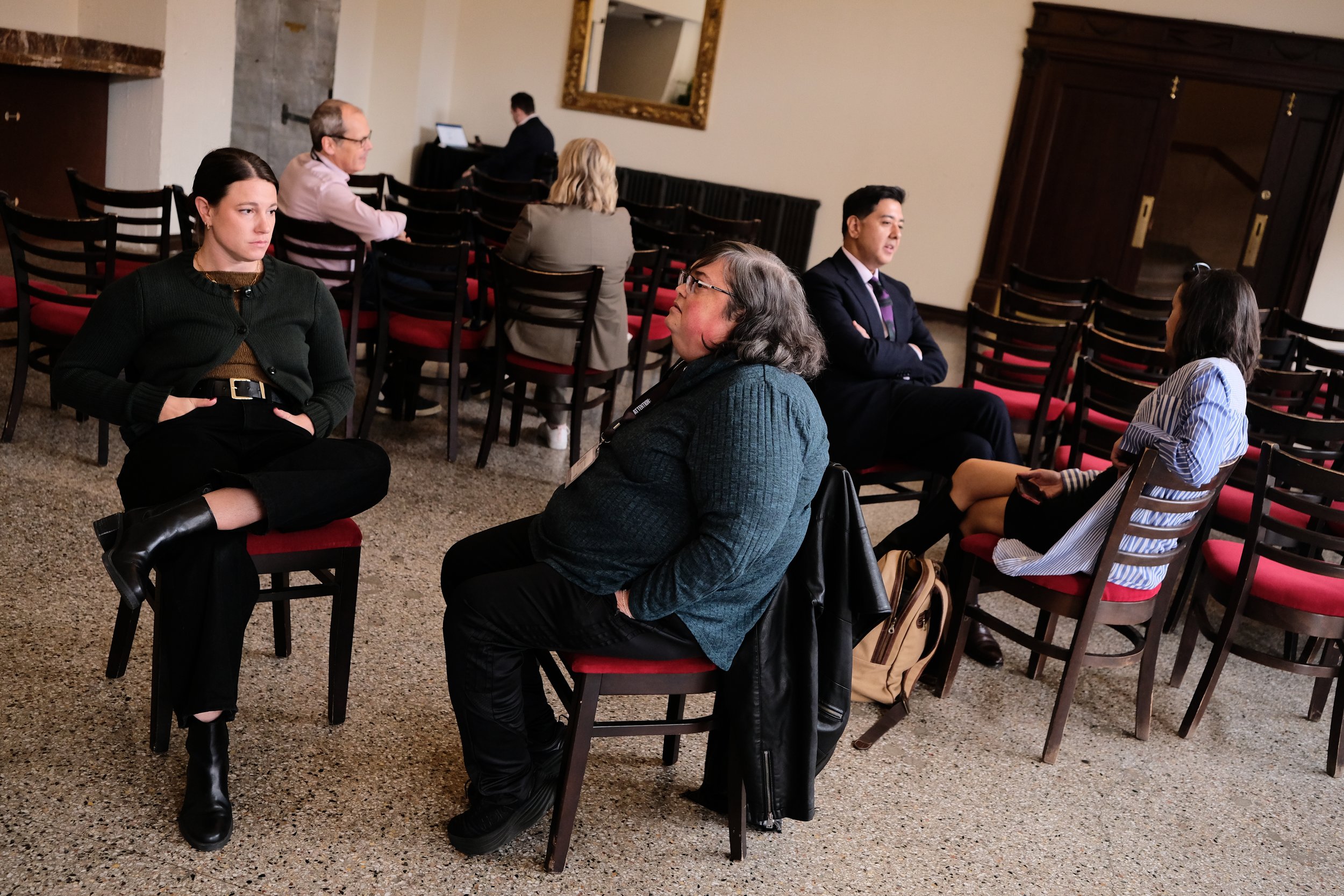
Conversation between Elana Bloomfield, Program Officer and Grants Manager at the Ronald S. Roadburg Foundation, and Joan Donovan, Assistant Professor of Journalism and Emerging Media Studies.
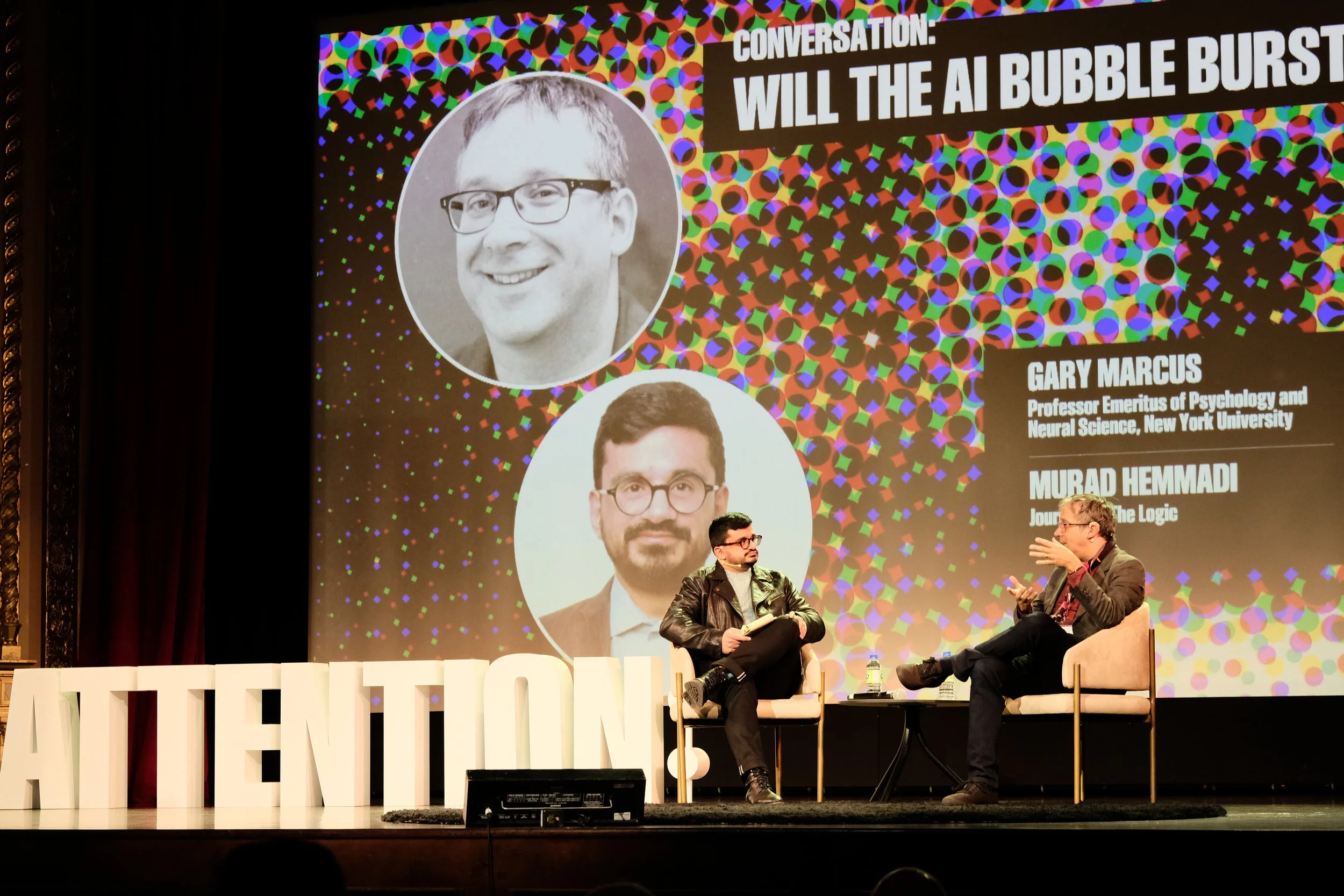
NYU Professor Emeritus Gary Marcus speaks with The Logic reporter Murad Hemmadi about whether the AI bubble will burst.
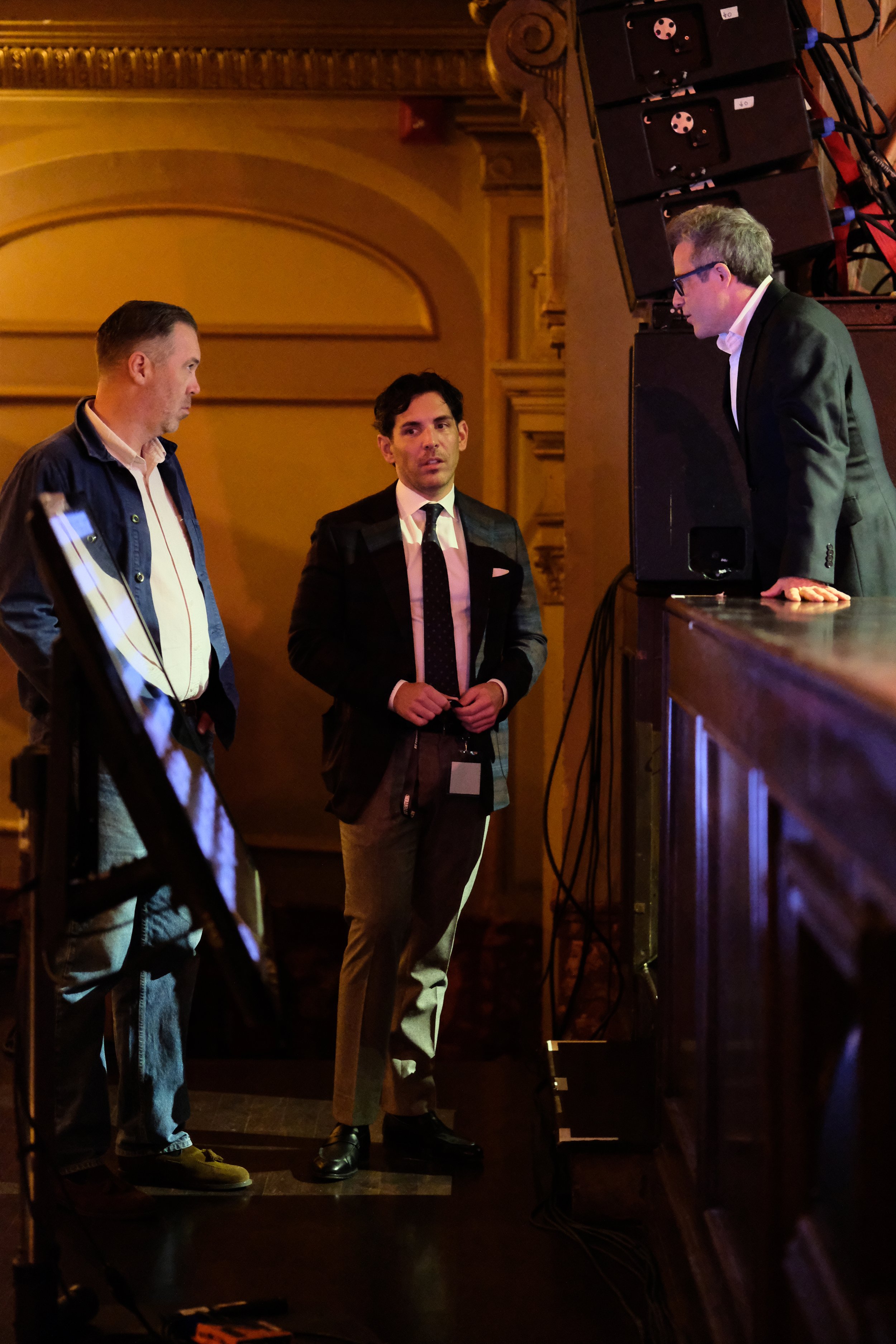
Conference organizers James Milward, John Matheson, and Taylor Owen chat before the conference begins.
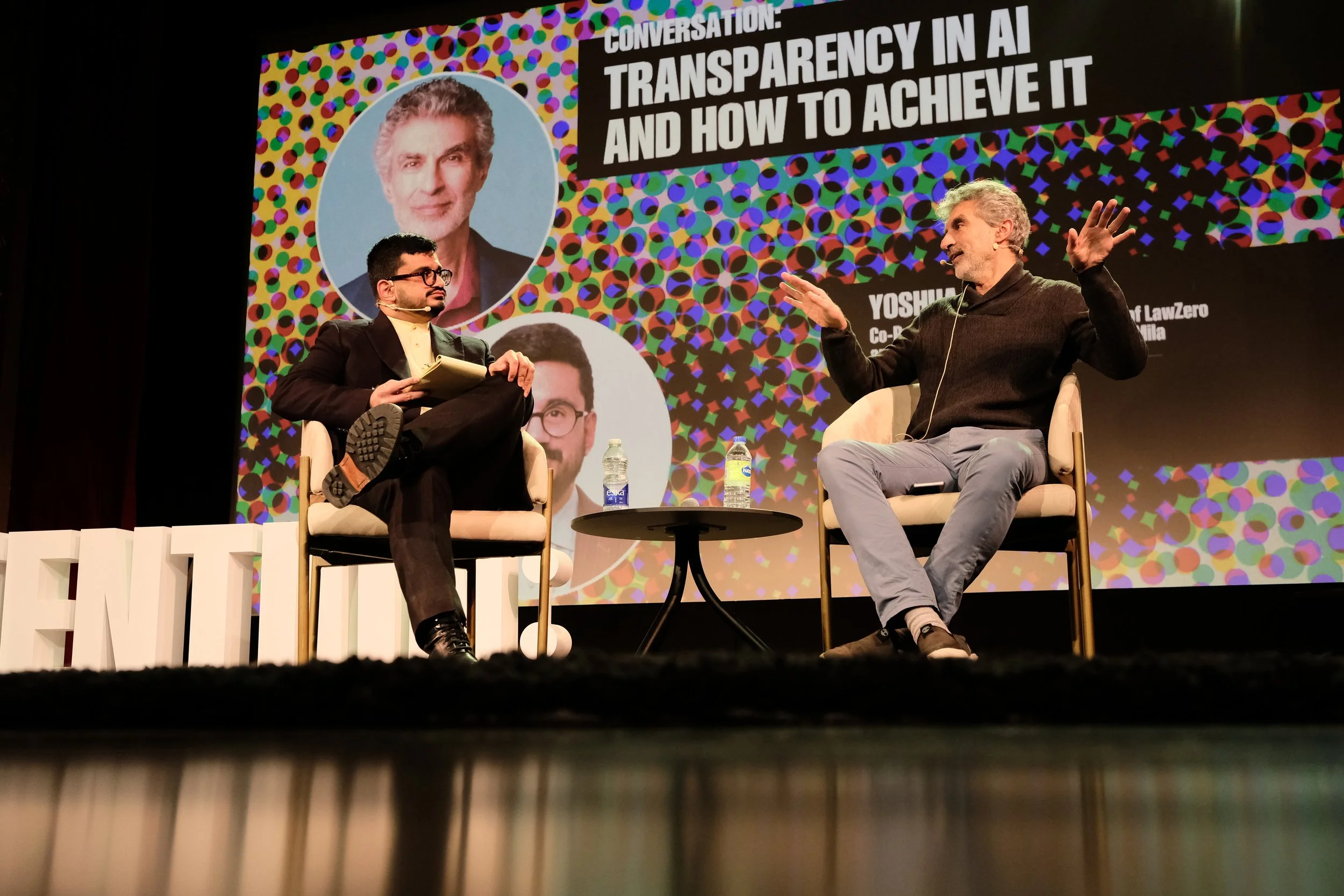
Yoshua Bengio, Co-President and Scientific Director, and Founder and Scientific Advisor, LawZero / Mila on transparency in AI and how to achieve it.

Left To Their Own Devices podcast host and producer, Ava Smithing and Mitch Stuart.
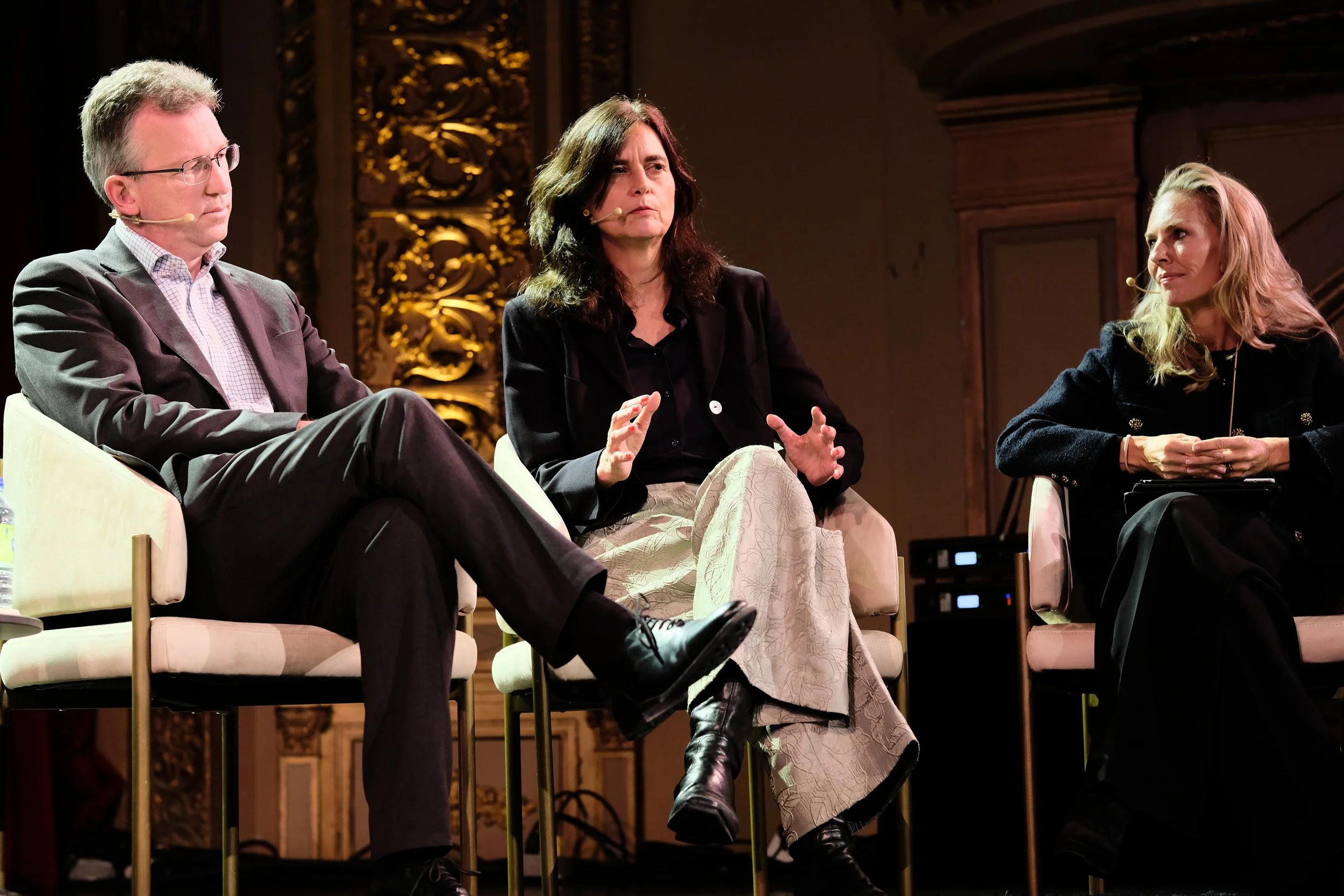
Alexandra Geese, Member of the European Parliament, speaks as her fellow panelists Jeremy Wright, former UK Secretary of State for Digital, Culture, Media and Sport, and Sasha Havlicek, Co-Founder and CEO of the Institute for Strategic Dialogue, listen.
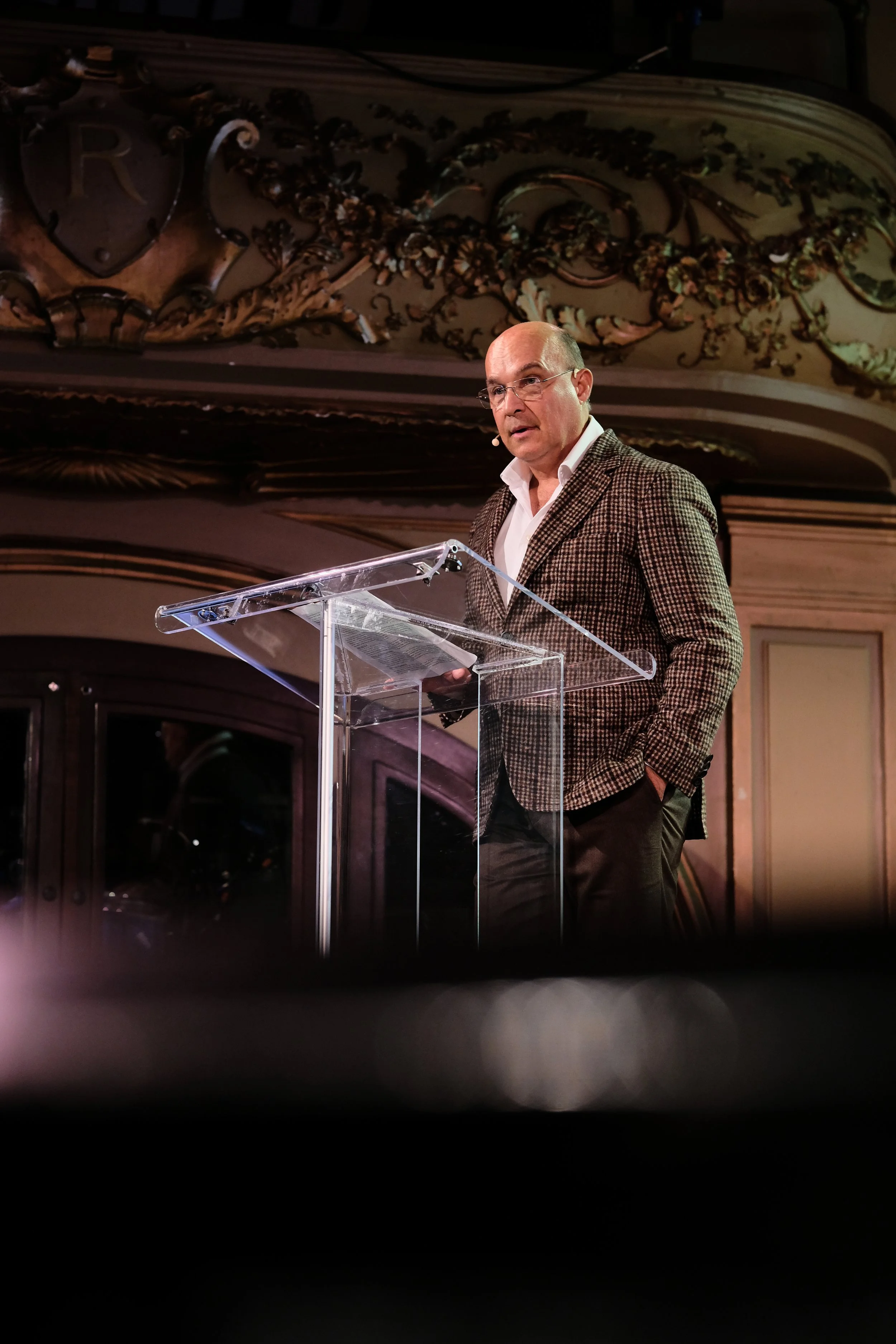
Jim Balsillie, Former Chair and CEO, Research In Motion gives a talk on un-capturing democracy.
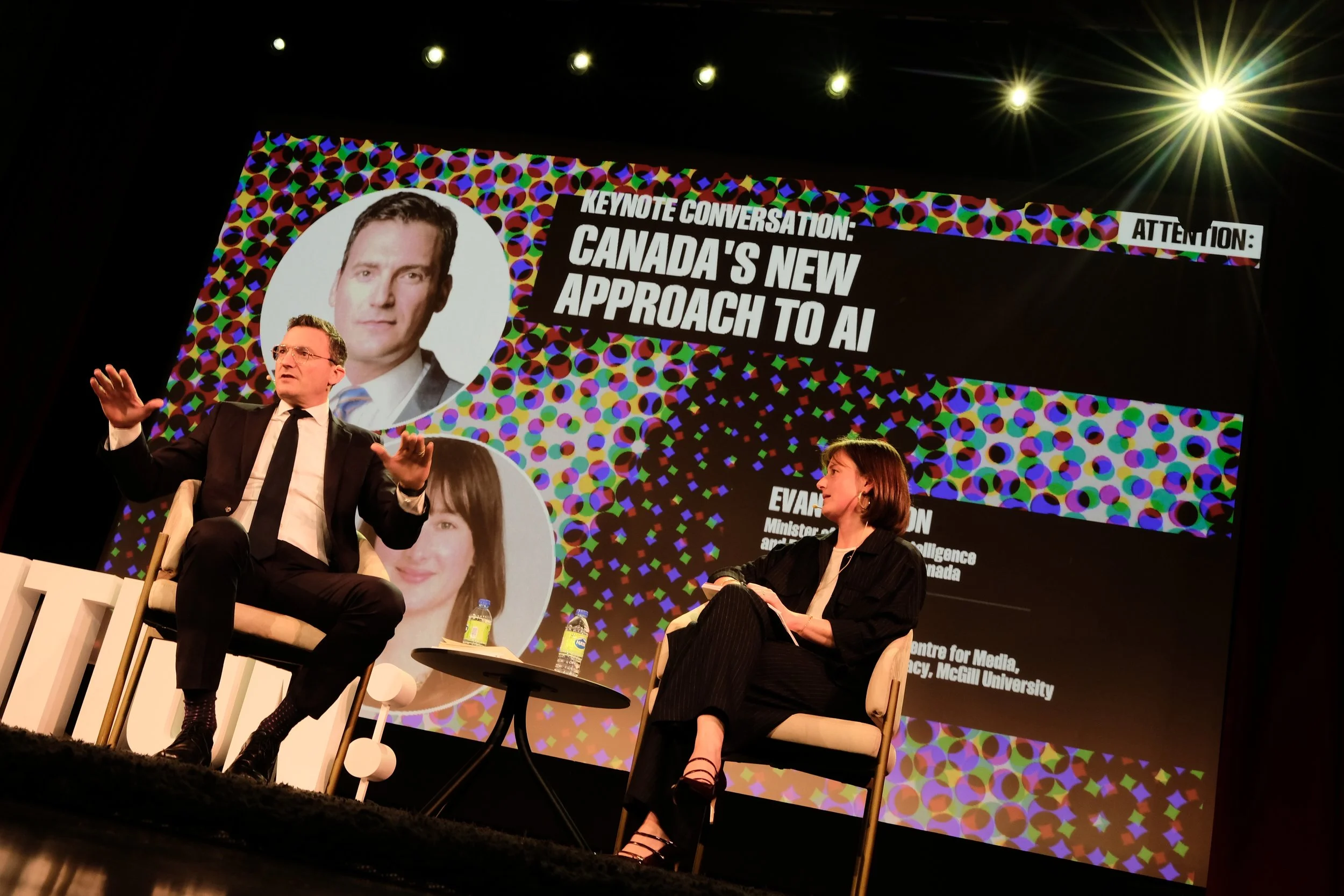
Evan Solomon, Canada's Minister of Artificial Intelligence and Digital Innovation talks about Canada's new approach to AI.

Patricia Campos Mello, Editor-at-Large at Folha de S.Paulo, reacts to her co-panelists’ comments.
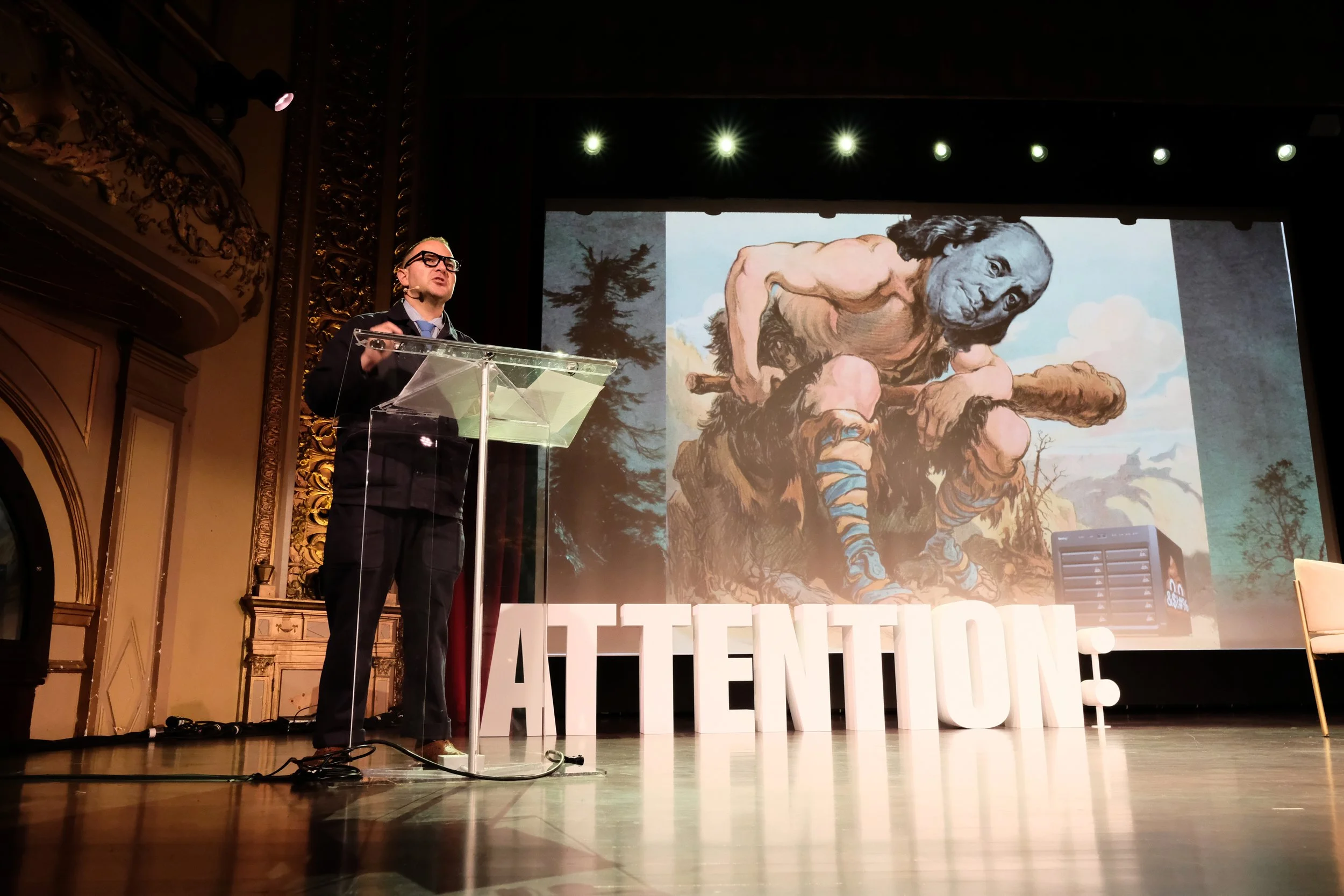
Cory Doctorow, writer and activist, talks about reimagining digital public infrastructure
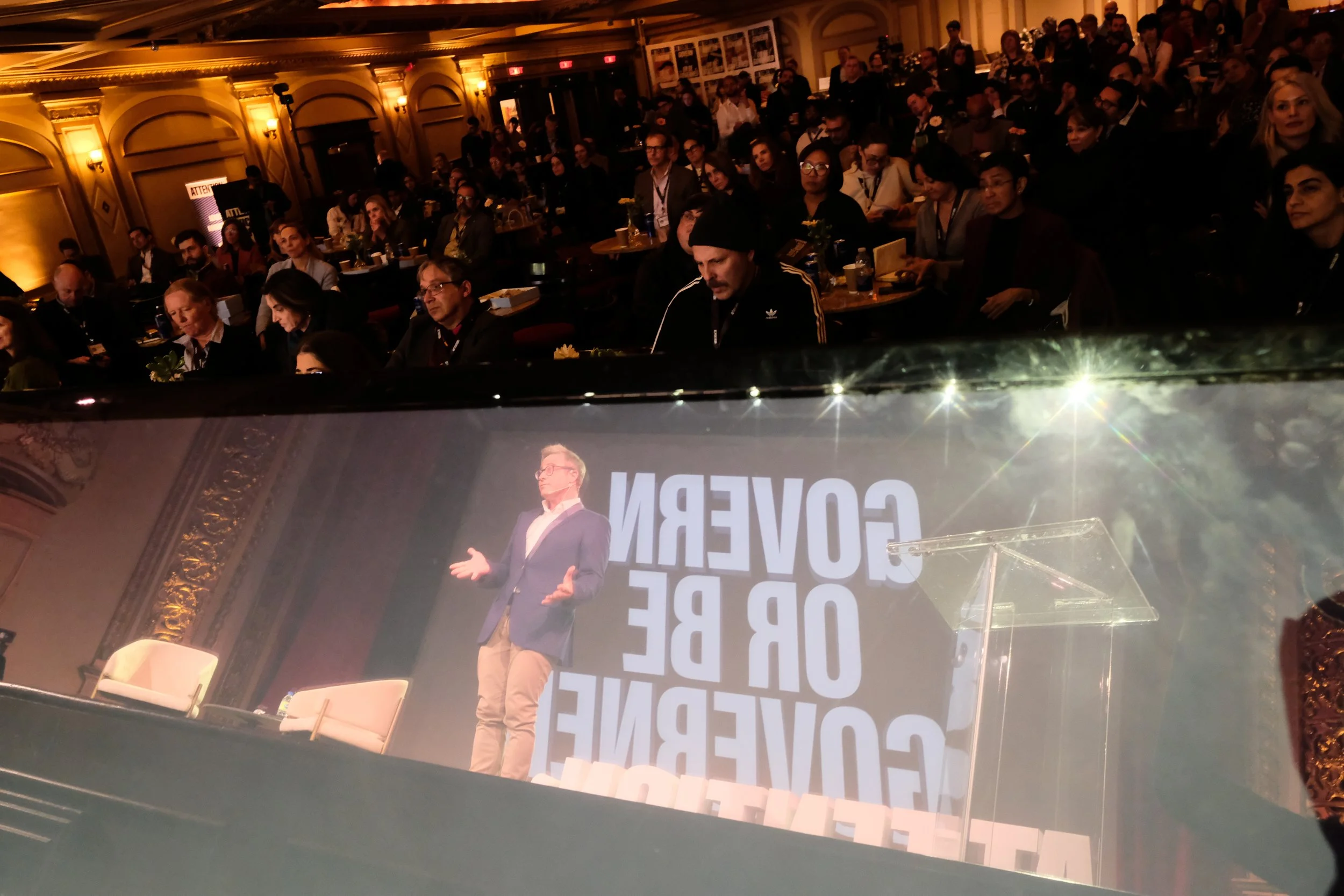
Taylor Owen, Founding Director of the Centre for Media, Technology and Democracy adresses an attentive audience.
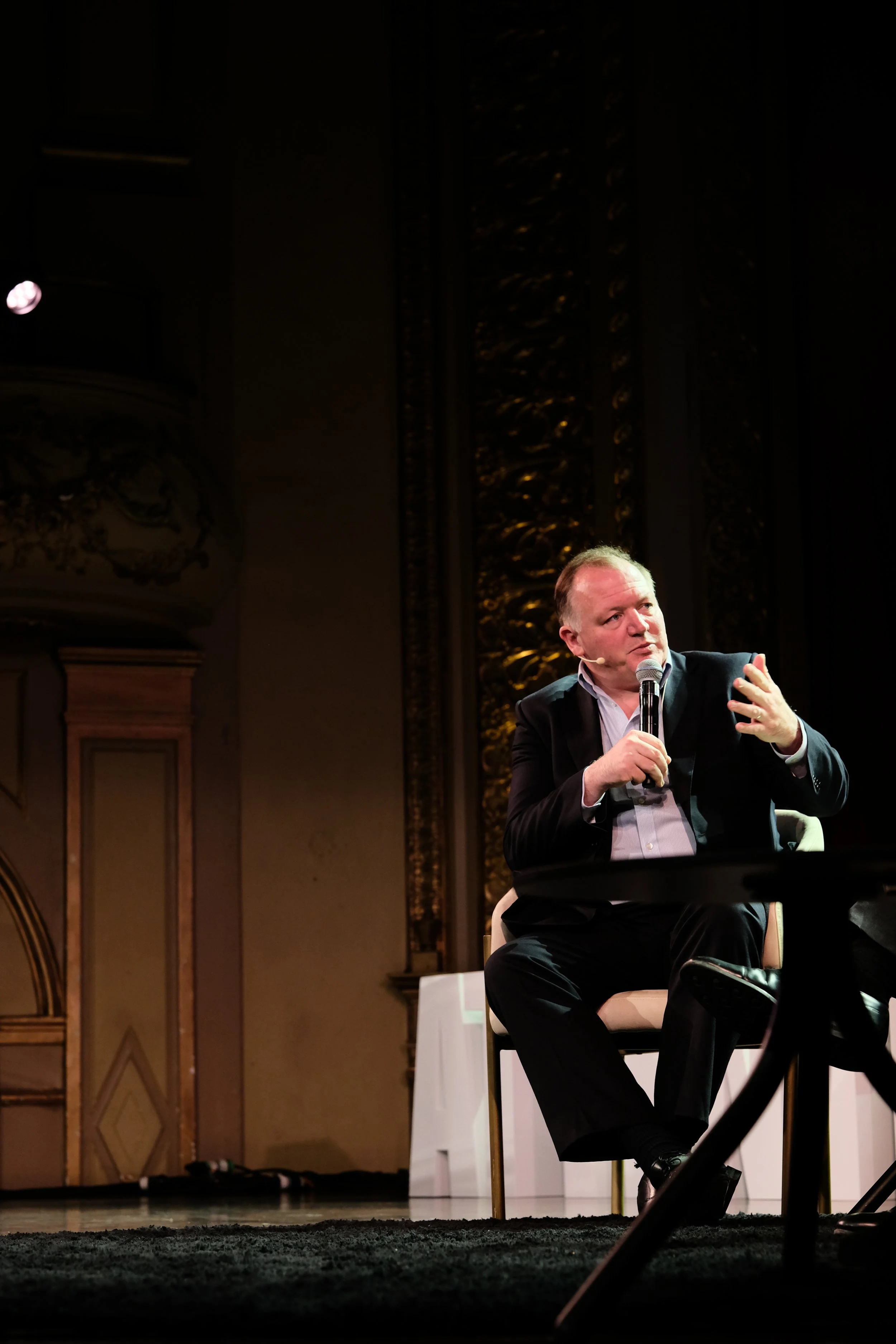
Damian Collins, Former UK Minister for Tech and the Digital Economy and Senior Fellow, Centre for Media, Technology and Democracy asks a question during a panel on the weaponization of tech governance.
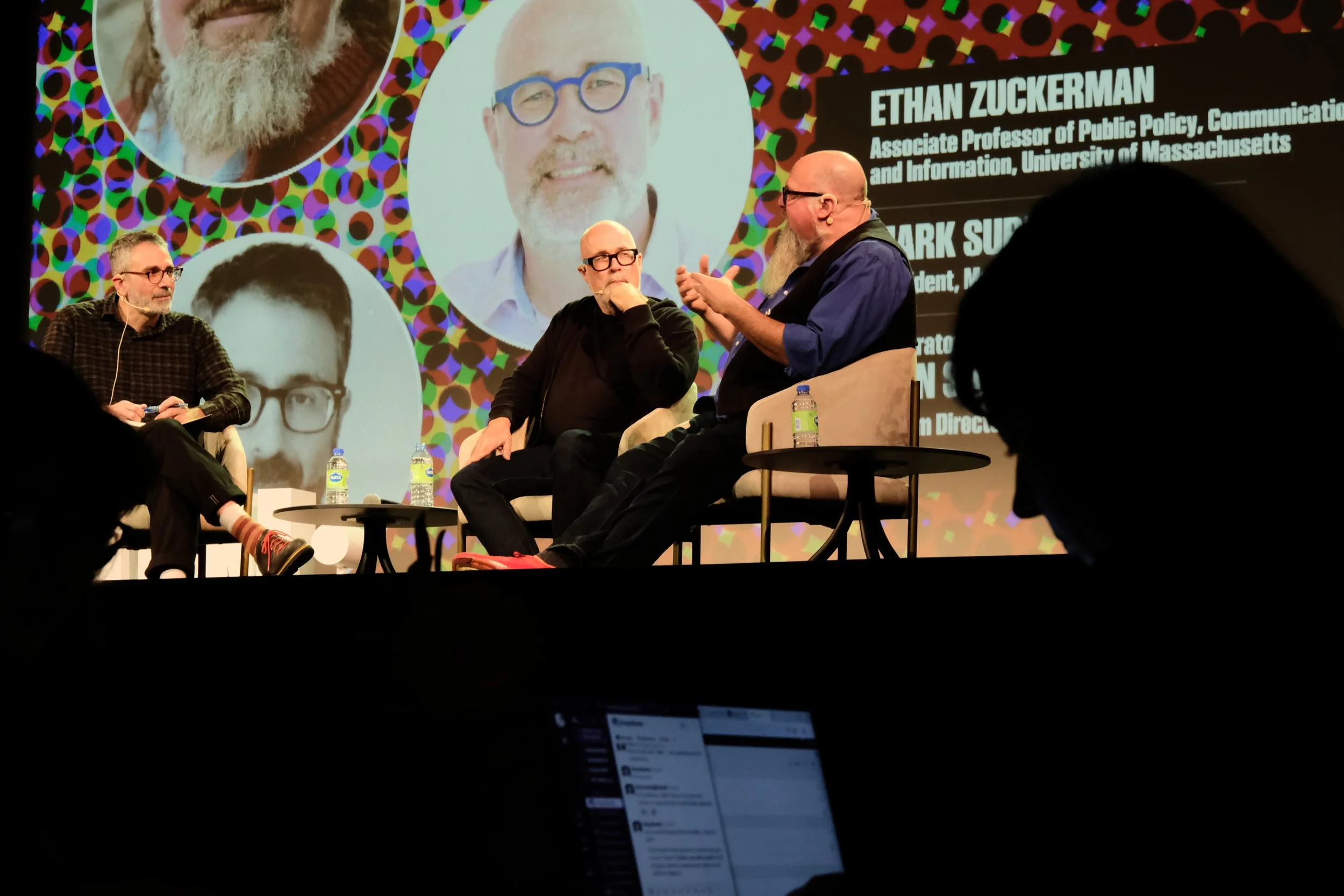
Ivan Sigal, Interim Director, Free Our Feeds and Mark Surman, President, Mozilla Foundation listen to Ethan Zuckerman Associate Professor of Public Policy, Communication, and Information, University of Massachusetts.
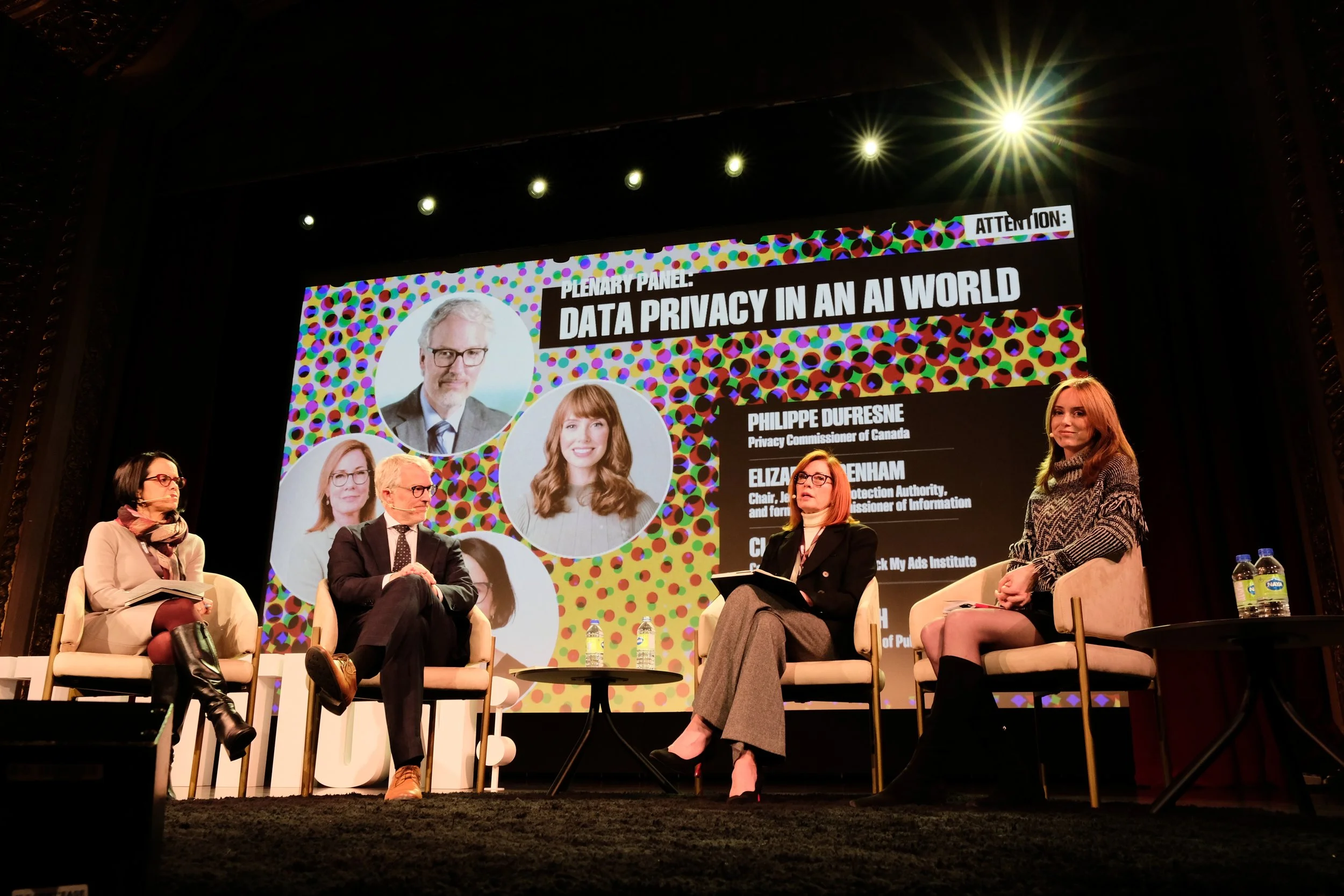
Claire Atkin, Co-Founder and CEO, Check My Ads Institute, glances at the audience during a panel on data privacy in an AI world.
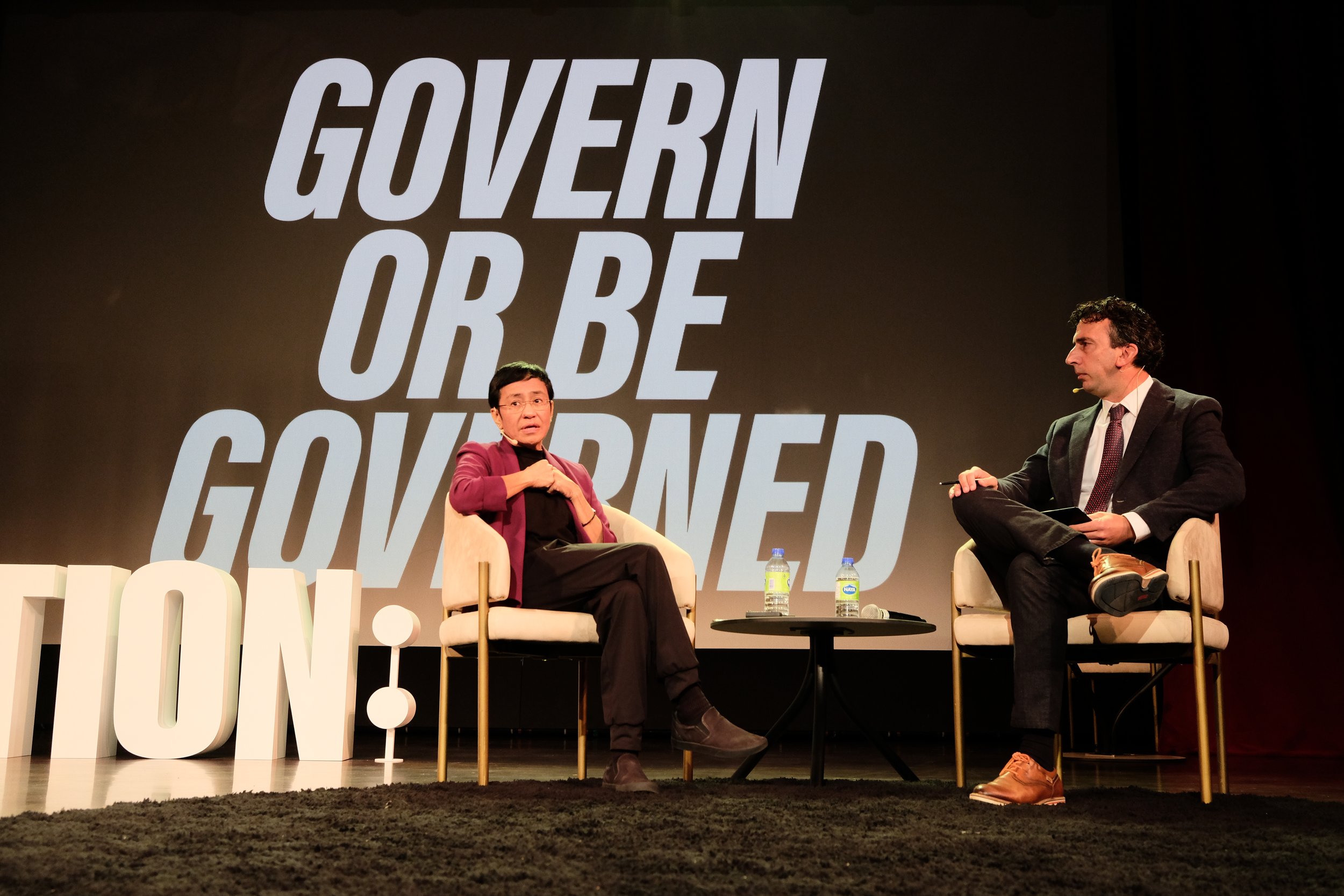
Maria Ressa, Nobel Peace Laureate and Co-founder and CEO, Rappler in conversation with David Skok, CEO and Editor-in-Chief, The Logic
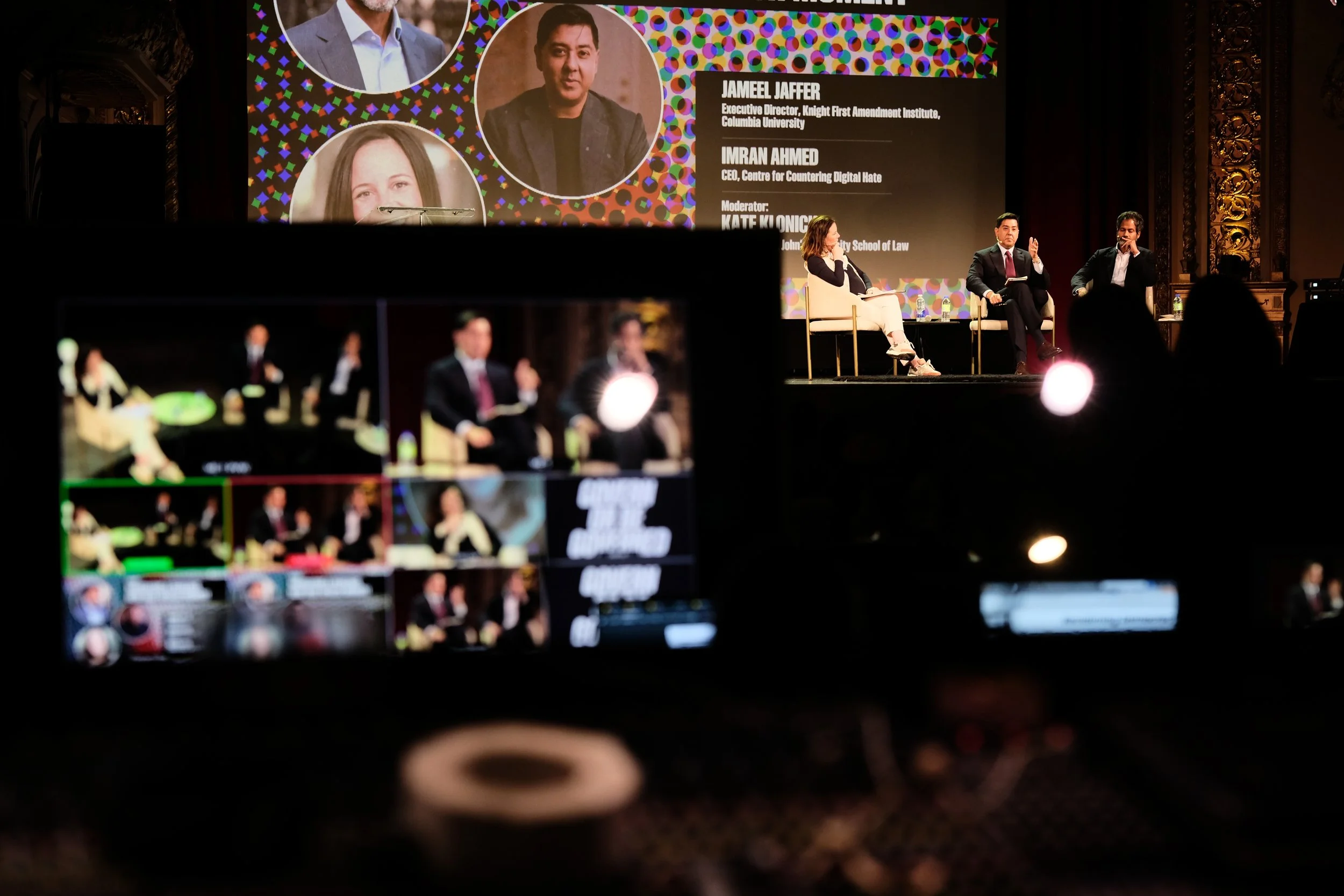
Snapshot of the panel “Navigating a Perilous New Free Speech Moment.”
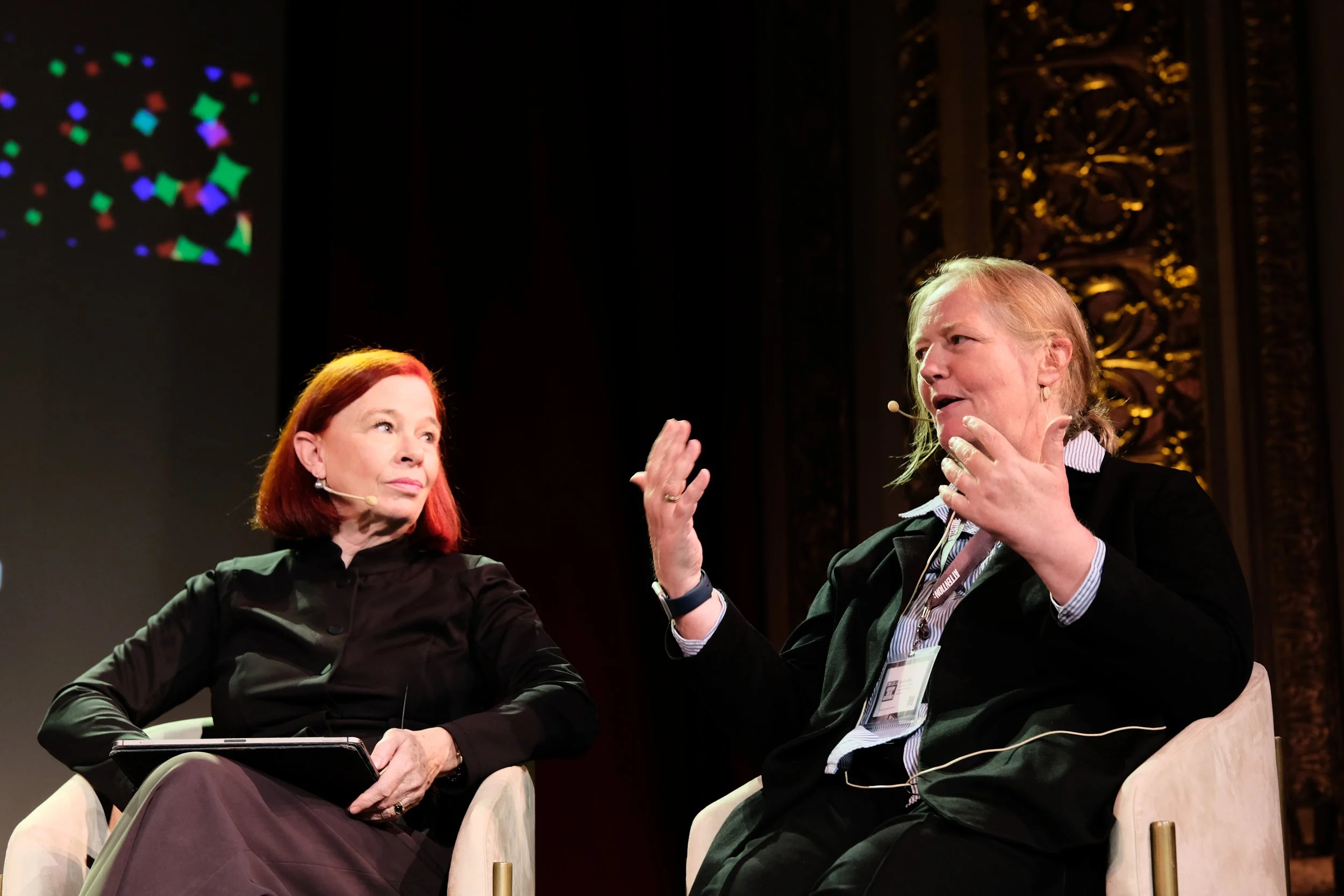
Catherine Tait, Advisor at New_ Public, listens to co-panelist Emily Bell, Professor of Professional Practice at Columbia University’s Graduate School of Journalism.
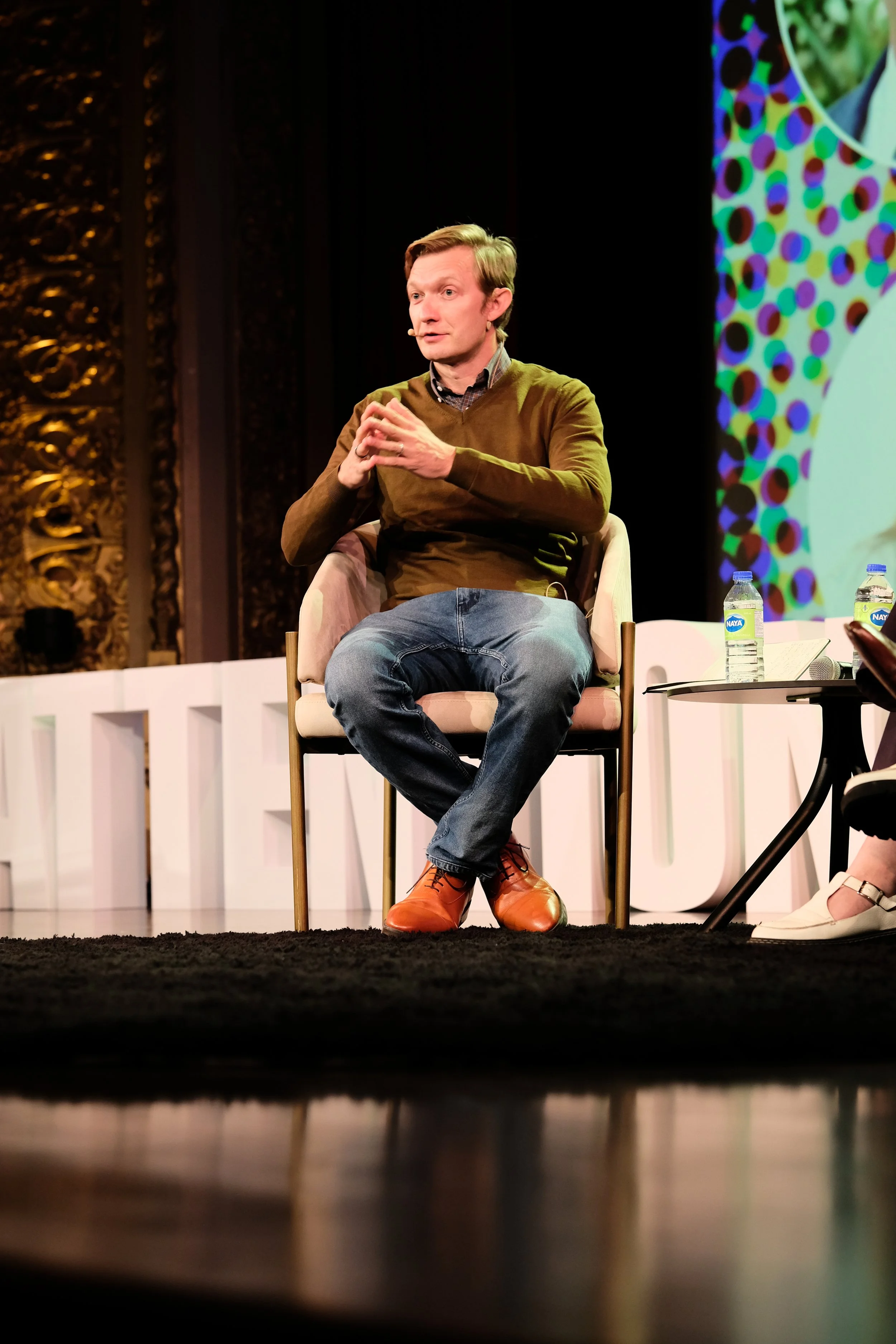
Luther Lowe, Head of Public Policy, Y Combinator, adresses the audience.
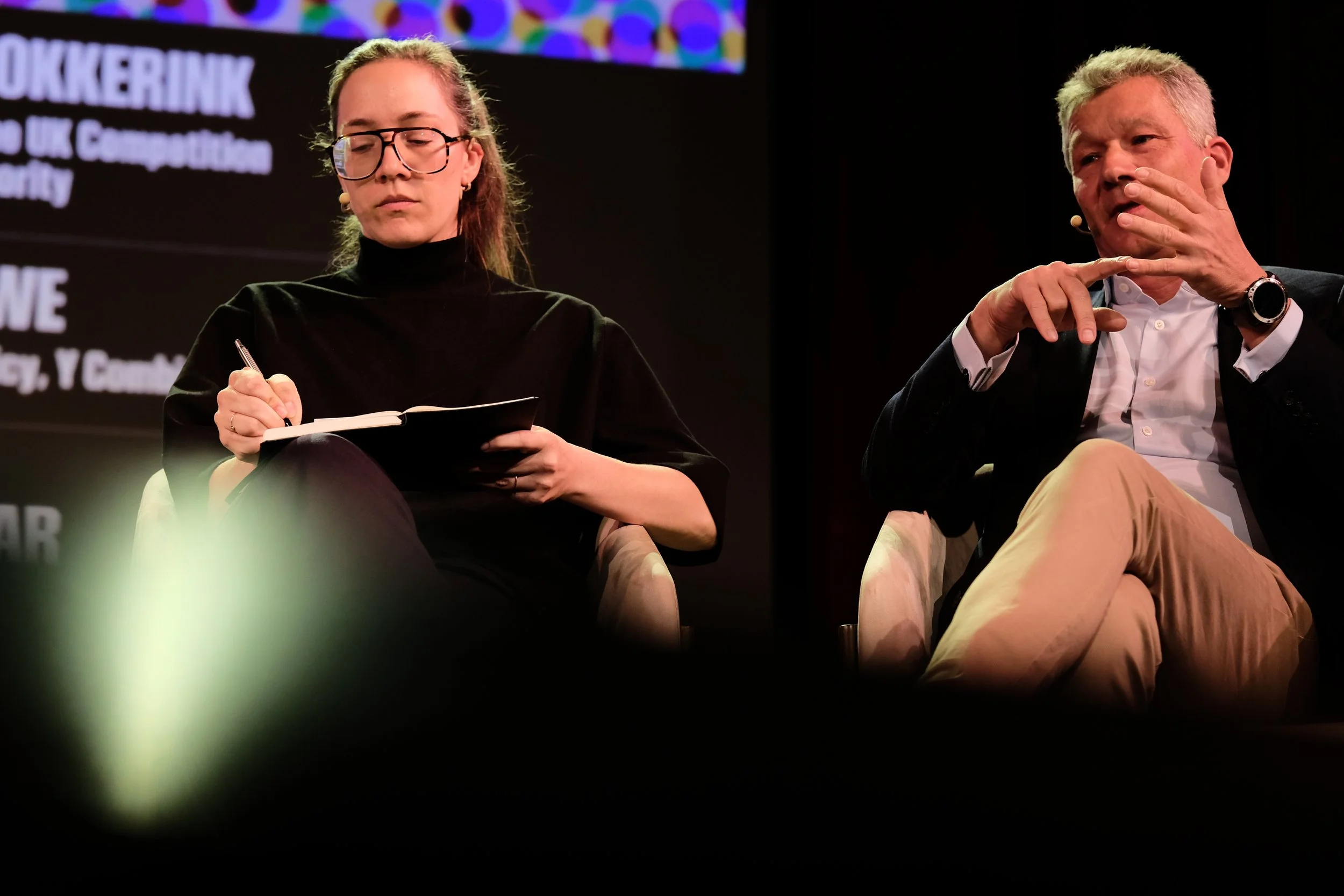
Vass Bednar, Managing Director of the Canadian SHIELD Institute, takes notes as she listens to co-panelist Marcus Bokkerink, former Chair of the UK Competition and Markets Authority.
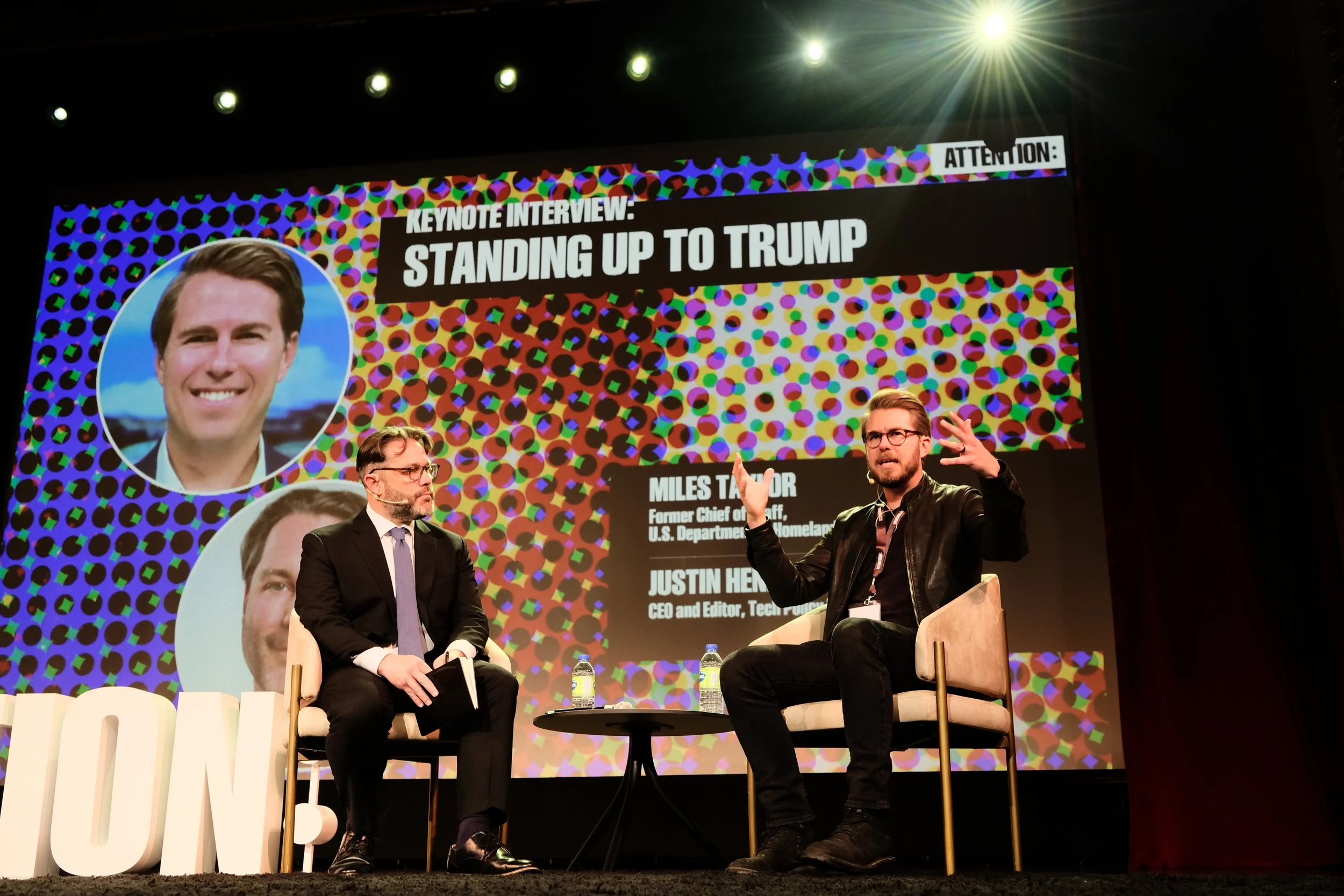
Miles Taylor, Former Chief of Staff, U.S. Department of Homeland Security discusses standing up to Donald Trump.
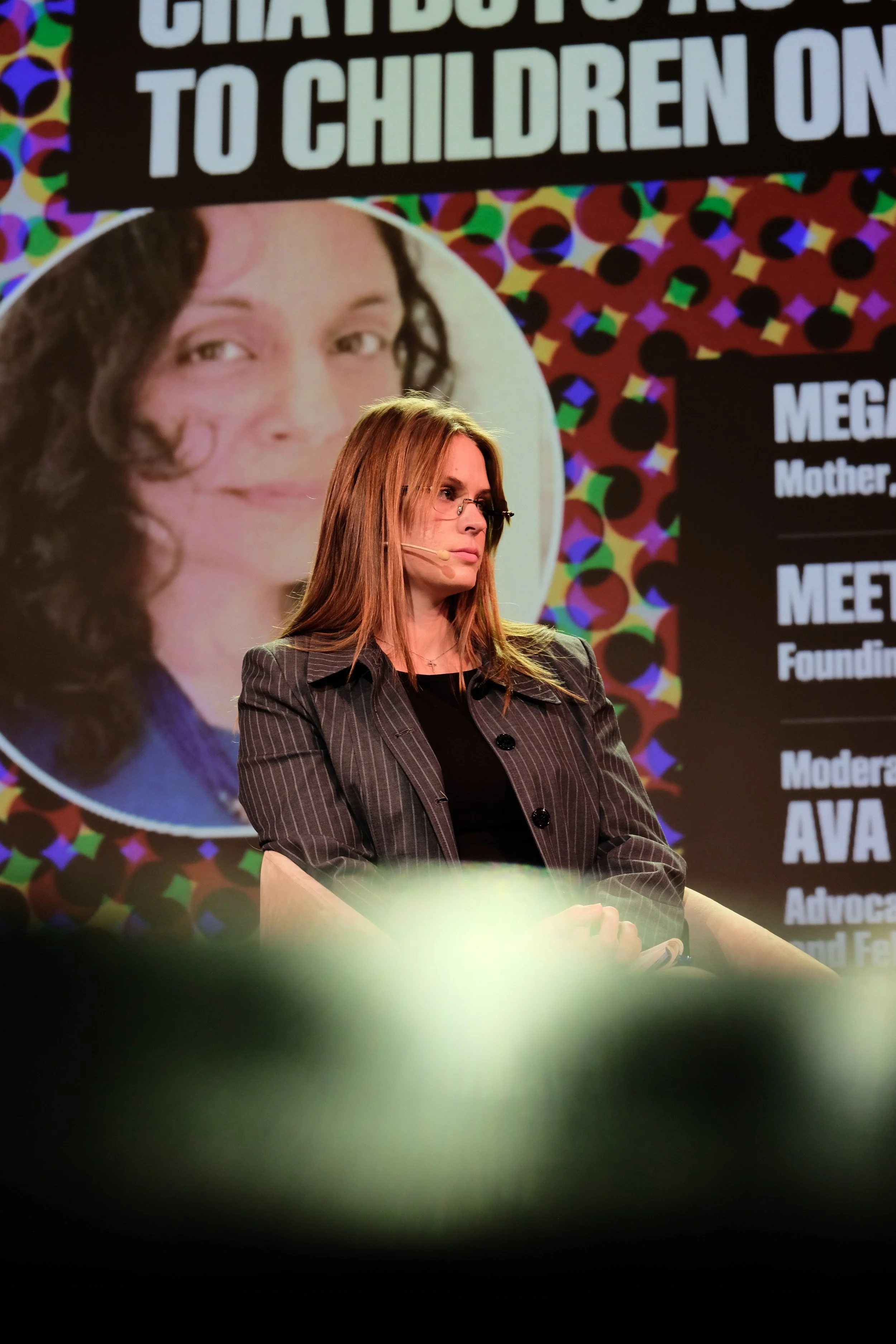
Youth Fellow Ava Smithing listens to her co-panelists during the panel “Chatbots as the New Threat to Children Online.”

Felix Kartte, Mercator Senior Fellow, and Patricia Campos Mello, Reporter at Folha de S.Paulo, listen to Isabelle Corriveau, Associate Director of Public Engagement at the Centre for Media, Technology and Democracy.

Centre for Media, Technology and Democracy Youth Fellows Maddie Case and Nonso Morah share a laugh.

Helen Hayes, Associate Director of Policy and Fellow at the Centre for Media, Technology and Democracy, and Fergus Linley-Mota, Director of the Dialogue on Technology Project, focus on the computer.
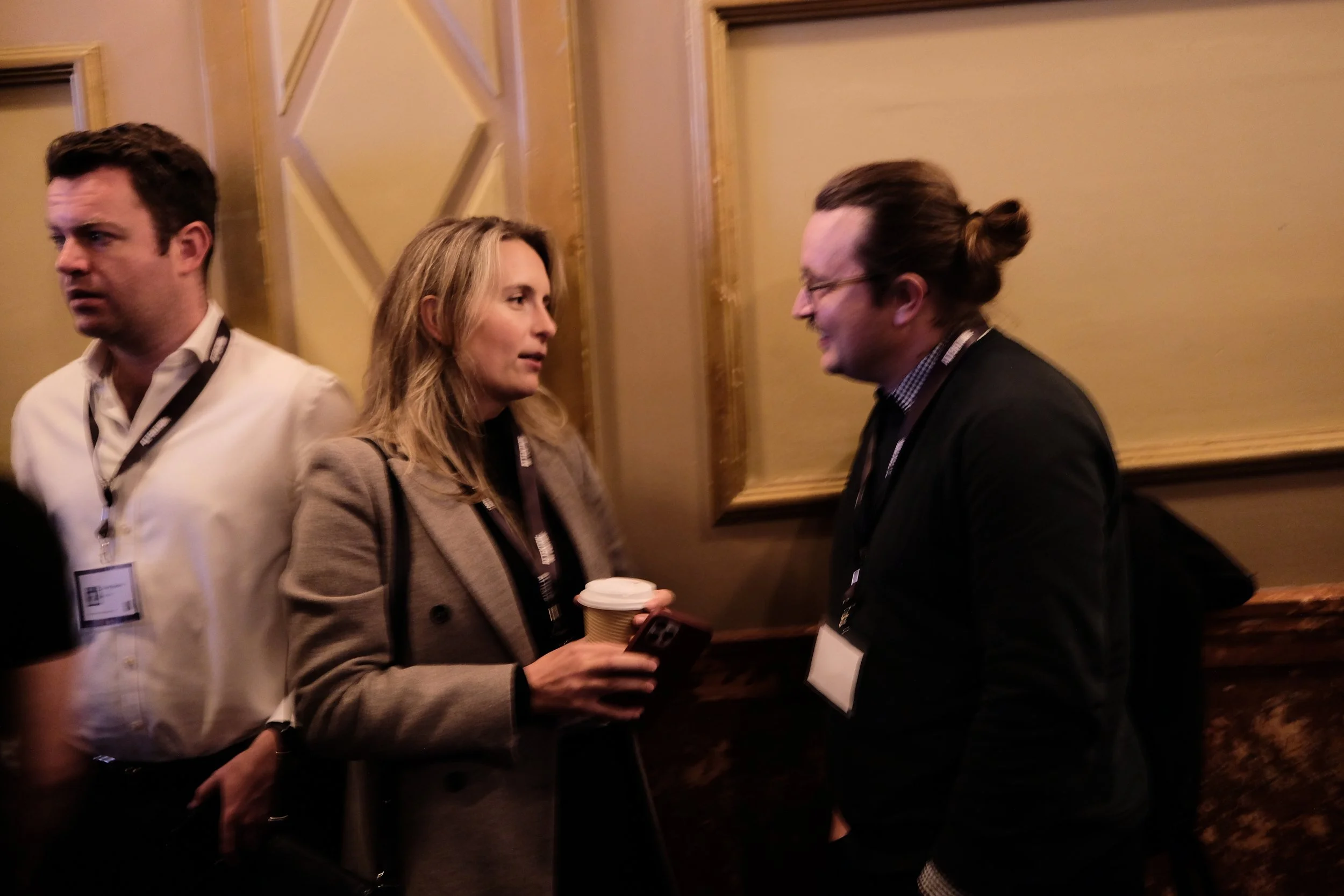
Phaedra de Saint-Rome, Senior Policy Advisor at Deloitte, and Aengus Bridgman, Associate Director of Research at the Centre for Media, Technology and Democracy, exchange over coffee.